Accessories and color coordination
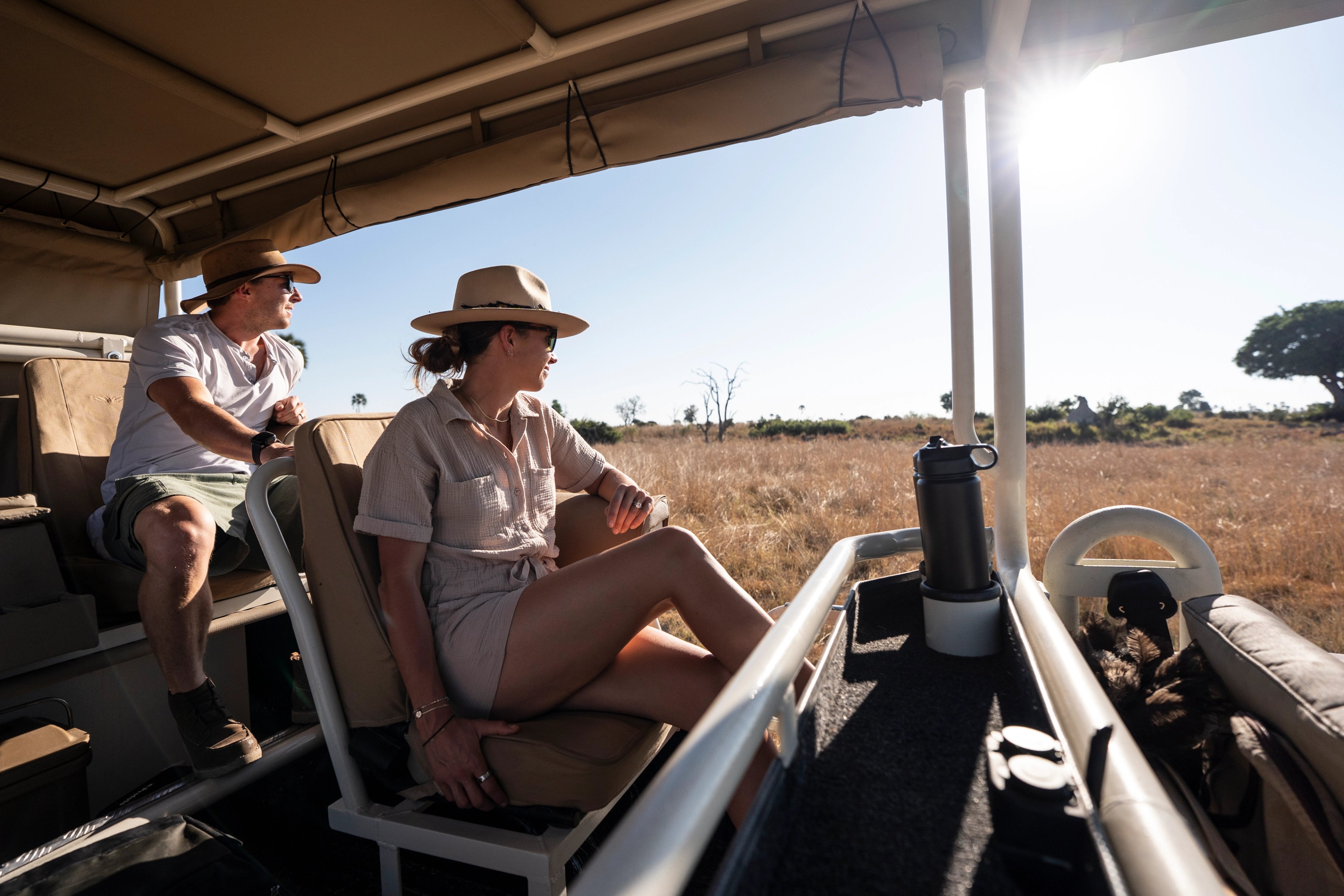
Even small details matter on safari. Hats, scarves, neck gaiters and gloves should be in muted, earthy tones to blend with your outfit and the landscape.
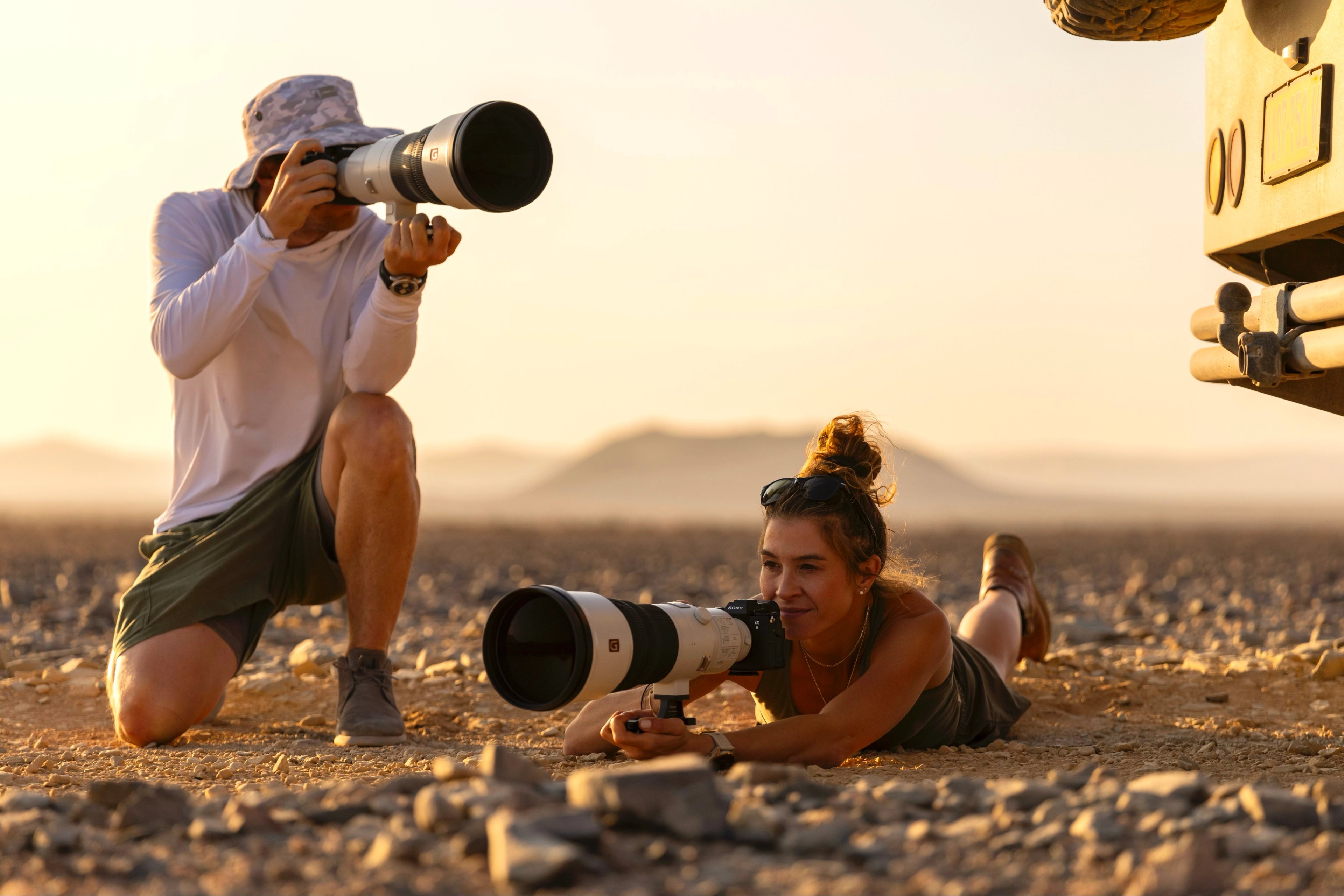
Sunglasses with dark, neutral frames reduce glare and avoid startling wildlife. Binocular harnesses, cameras and bags should also be in subdued shades to remain discreet.
Coordinating accessories with your clothing keeps you practical, safe and in harmony with the environment, helping you move through the bush quietly and fully connected to the wildlife around you.
What colors should you avoid on safari?
While choosing the right colours and fabrics can enhance your wildlife encounters, there are a few tones and patterns best left at home. Selecting the wrong shades can startle animals, attract insects, or simply make your day less comfortable in Africa's varied environments.
Dark tones in tsetse fly zones
In regions where tsetse flies are common, including Zambia and parts of Zimbabwe and Tanzania, dark colours such as black and deep blue should be avoided.
Instead, lightweight, breathable fabrics in khaki or olive paired with long sleeves and trousers allow you to move freely without drawing unnecessary attention from wildlife while providing protection and comfort.
Bright or bold colours
When considering what colors not to wear on safari, bright tones are best avoided. Vibrant shades like red, orange, pink and bright white can scare wildlife or attract insects.
Black clothing, while stylish, absorbs heat and can make you feel hotter. There are exceptions, such as light-coloured scarves for sun protection, but in general, subtle, muted tones are the safest choice for any safari activity.
Patterns and prints
Camouflage is rarely necessary and natural earthy tones perform the job far better. Bold stripes or busy patterns may confuse or attract animals, and in tsetse zones, some patterns can even draw insects.