What camera equipment should I take on safari?

October 30, 2024
share

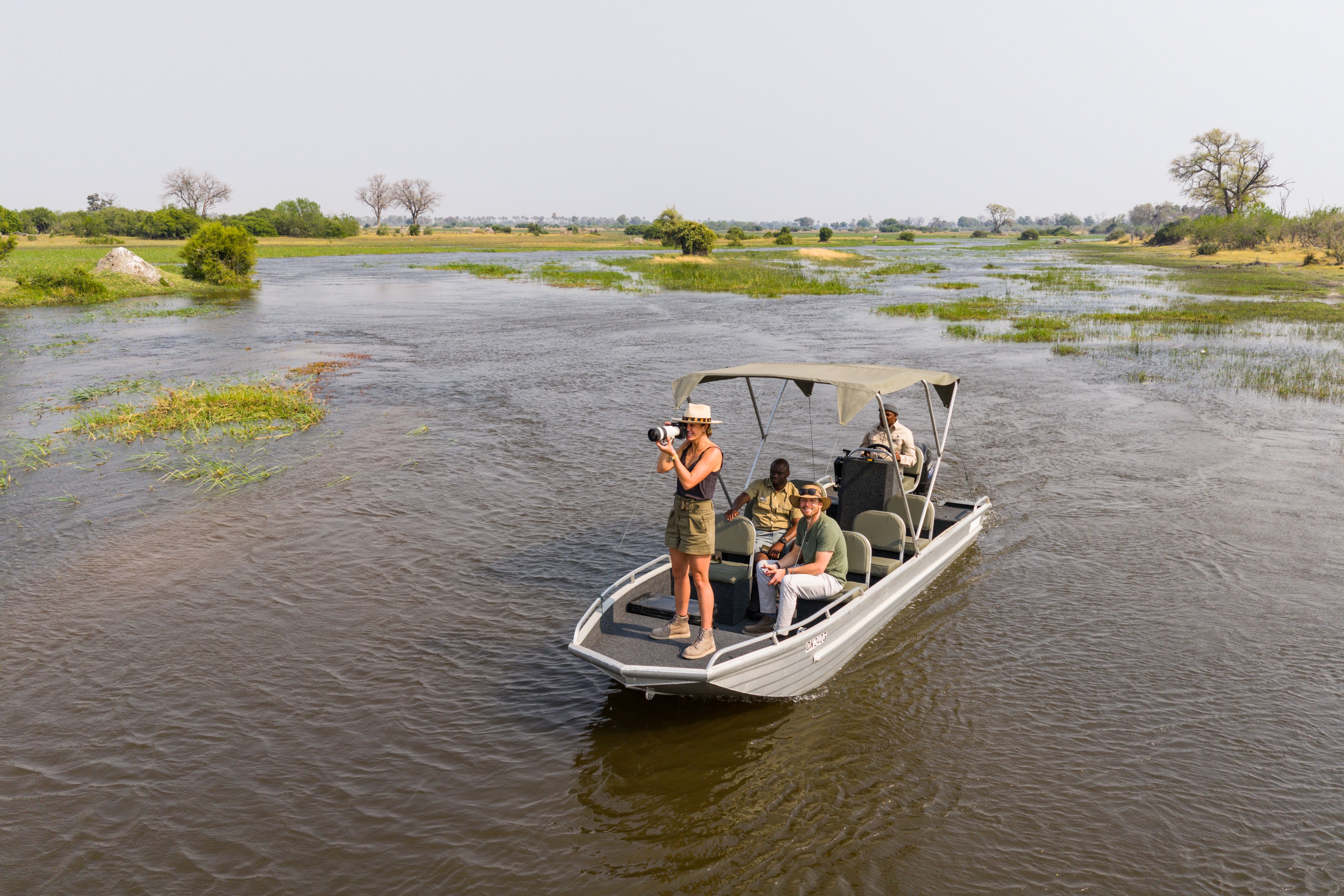
Some moments on safari feel almost dreamlike – a lioness moving through the dappled morning light or the glow of sunset settling across the plains. These scenes stay with you long after you return home, and for many travelers, the wish to capture them becomes an essential part of the journey.

At ROAR AFRICA, we see photography as a way to deepen presence - to really look, notice small details and engage more intimately with the wilderness, wherever your safari takes you. Whether you travel with a trusted smartphone, a compact system or a fully professional setup, our guide brings together what truly matters when choosing camera equipment for safari, so you can concentrate on what’s in front of you, wherever your journey takes you.

Why the right camera equipment matters on safari

Having the right photography equipment ensures you’re ready when fleeting scenes reveal themselves. A great lens can bring you closer to wildlife without intruding on their world.

A camera that performs well in low light preserves the subtle beauty of dawn and twilight drives. Reliable stabilization helps you photograph from a moving vehicle with clarity. And equipment that feels comfortable in your hands lets you focus on the experience, not the settings.

Choosing the best camera for safari

Selecting the right camera for safari is about finding a system that complements your rhythm in the wild. Safari cameras generally fall into three broad categories: DSLRs, mirrorless systems and high-end compact cameras. Each has its strengths and the right choice depends on your style, experience and how you want to engage with the experience.

DSLRs

For serious photographers, DSLRs remain a classic choice of camera for safari. Their robust construction, extensive lens options and long battery life make them ideal for extended safari drives or multi-day excursions in remote regions. But they can be bulky and learning to handle the weight and complexity requires familiarity.

How do DSLRs work?

Light entering through the lens is first redirected by a small internal mirror, allowing you to view the scene directly through the optical viewfinder – an unfiltered, true-to-life perspective of what lies before you.

The moment you press the shutter, that mirror lifts, sending the light straight to the camera’s image sensor. The photograph is recorded onto an SD card.

Mirrorless cameras

These can be a perfect middle ground. Lightweight, fast, and incredibly versatile, they perform exceptionally well in low light and can track fast-moving wildlife with precision. Silent shutters and compact designs mean you can carry more lenses without feeling weighed down, allowing for seamless spontaneity in your safari photography.

How do mirrorless cameras work?

In a mirrorless camera, the path of light is beautifully simple. Light passes through the lens directly onto the image sensor at all times, without the interruption of mirrors or moving parts. This constant flow allows the camera to create a real-time digital preview of the scene, visible either on the rear LCD screen or through an electronic viewfinder.

Mirrorless vs DSLR

Choosing between a mirrorless camera and a DSLR comes down to your priorities and style. Mirrorless cameras offer lighter weight, faster burst rates and quiet operation, making them one of the best compact camera options for safari.

One of the defining advantages of many mirrorless systems is the option for in-body image stabilization (IBIS), a technology that gently shifts the sensor to counteract the natural movement of your hands. This means you can photograph at slower shutter speeds without relying on a tripod.

DSLRs, on the other hand, provide durability, a wider selection of interchangeable lenses and familiar ergonomics for seasoned photographers. Their larger bodies are designed to withstand the rigors of travel, from dusty tracks to bumpy game-drive vehicles, making them a dependable choice of safari camera for photographers who value sturdiness in the field.

Ultimately, the best camera for safari is one that feels intuitive in your hands, allowing you to focus less on gear and more on the extraordinary wildlife, landscapes and light that make an African safari unforgettable.

High-end compact cameras

For travelers who want to stay fully immersed in the safari experience without carrying multiple lenses or a heavy kit, high-end compact cameras offer a beautifully effortless solution. These small, all-in-one systems combine portability with impressive zoom ranges, making them ideal for those who prefer simplicity without compromising on image quality.

Despite their size, many compact cameras feature powerful optical zooms that bring distant wildlife closer, along with fast autofocus and reliable performance in changing light. Their discreet profile also allows you to photograph quietly and intuitively, keeping your attention on the wilderness rather than on equipment.

Compact cameras won’t match the low-light capabilities or interchangeable lenses of mirrorless systems and DSLRs, but for many safari guests, they strike the perfect balance between being lightweight and intuitive, and always ready when a magical moment unfolds.

Essential safari lenses

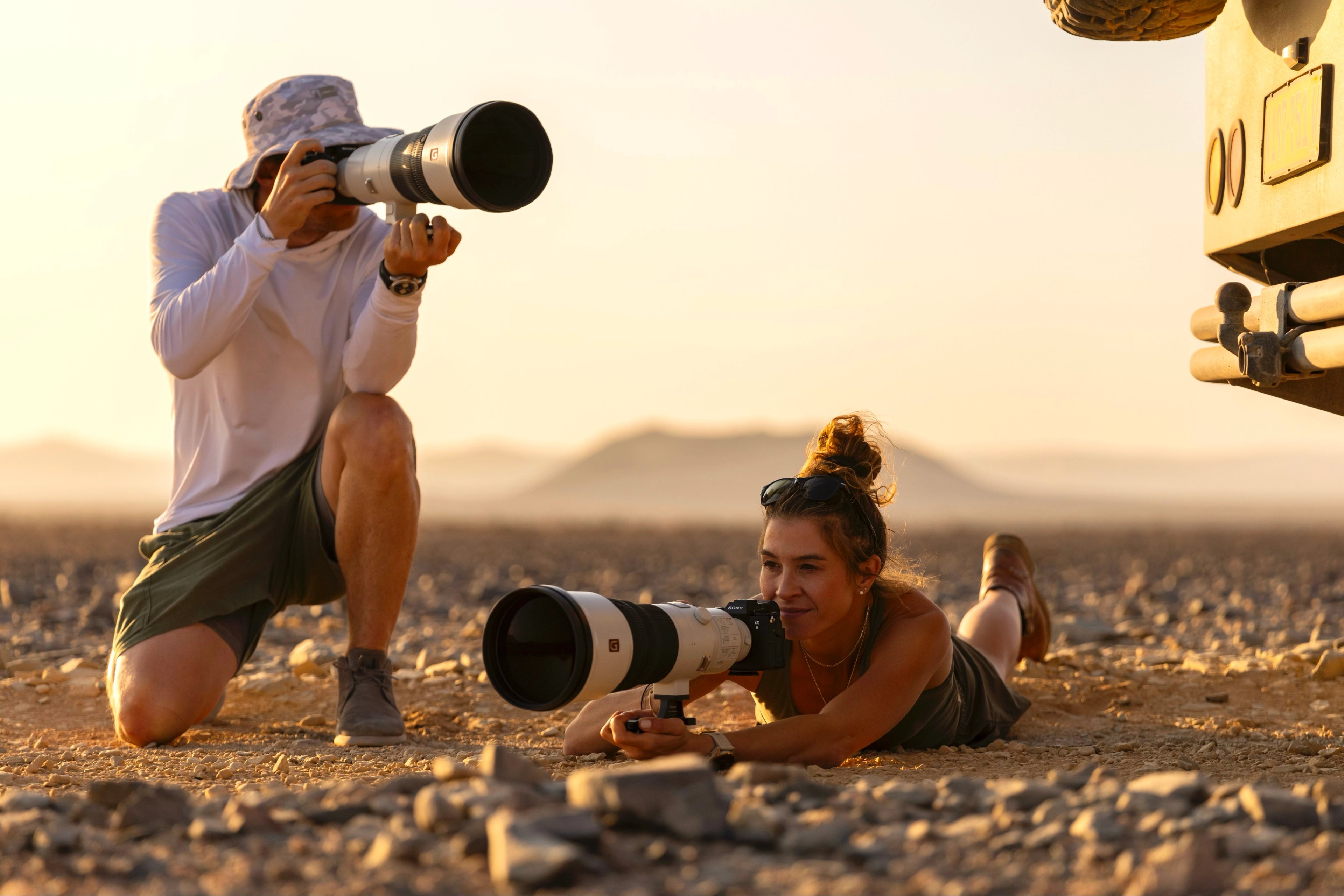
While choosing a camera body is important, the true transformative power of safari photography lies in your lenses. The right ones allow you to respond to Africa’s wild awe and shifting rhythm – whether quiet, intimate encounters or fast-moving action – without missing a beat.

Telephoto lenses

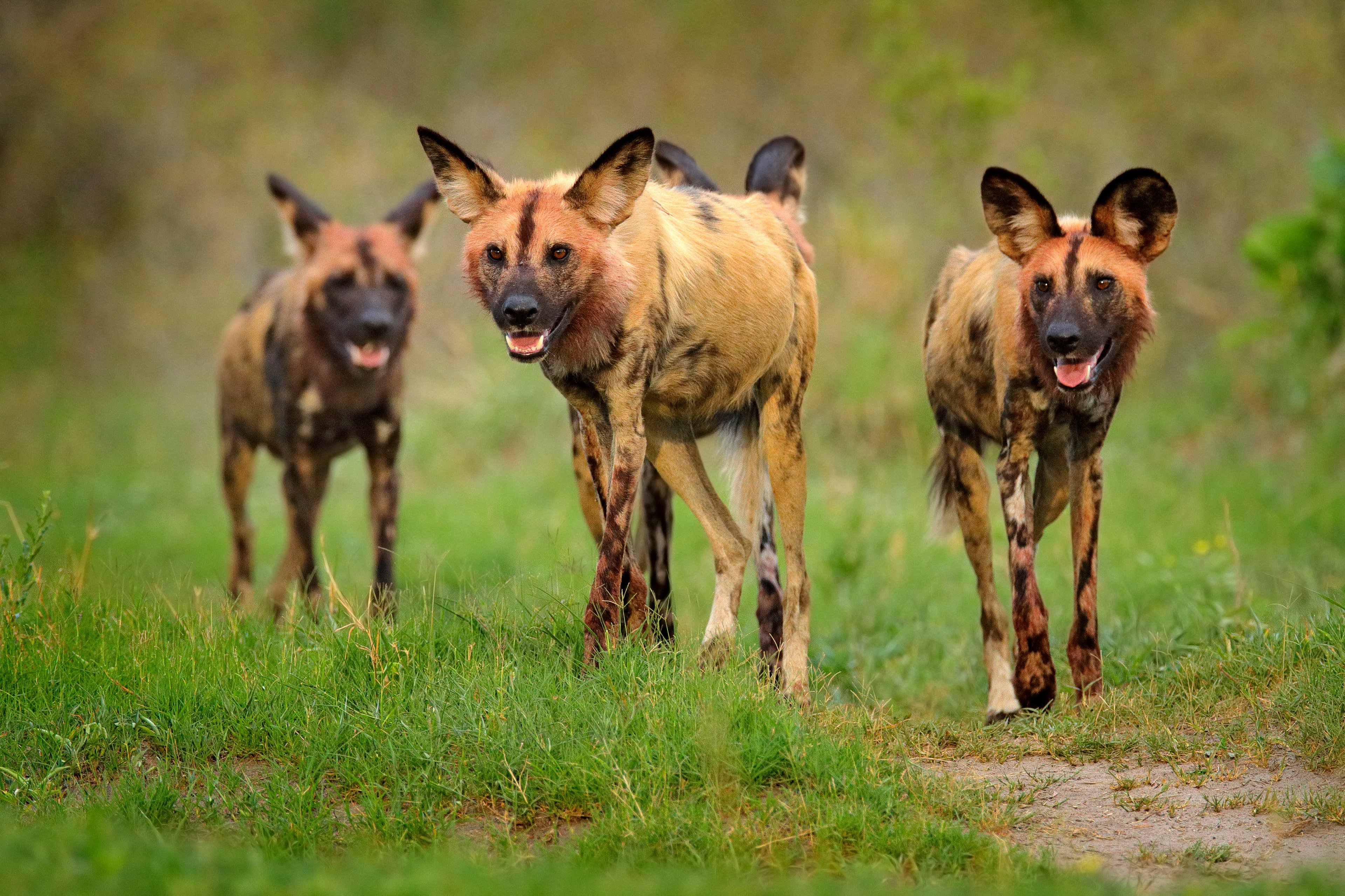
Your guide will keep a respectful distance between you and the wildlife and a longer focal length allows you to capture beautiful moments without disturbing the animals or altering their behaviour. A zoom in the range of 200–500mm or similar is ideal, while prime telephoto lenses bring a clarity and artistic depth that can be richly rewarding, offering greater clarity.

These lenses excel at isolating subjects against soft backgrounds, creating dramatic and intimate wildlife portraits. They also let you photograph birds and fast-moving animals with clarity, even from a moving vehicle.

Wide-angle lenses

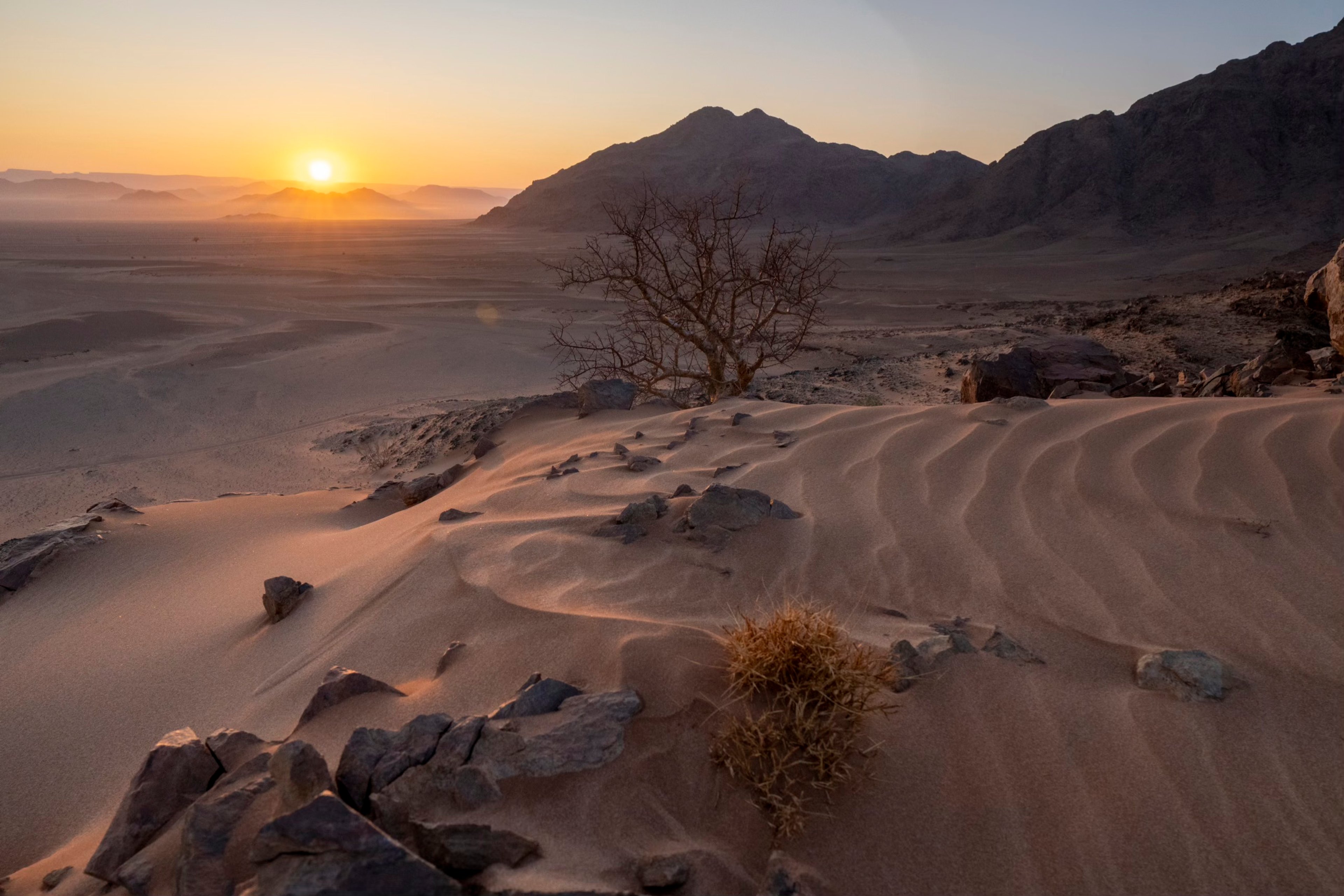
A wide-angle lens allows you to breathe in the vastness of Africa and the sense of scale that makes this continent feel boundless. Focal lengths of around 20mm are ideal for landscapes and those luminous moments when the sky steals the show.

Wide lenses are also powerful storytelling tools. They allow you to include more of the environment in your frame, placing wildlife within the grandeur of its natural setting.

Macro lenses

Though less commonly brought on safari, macro lenses offer a captivating way to explore the smaller, more intricate details of the wilderness. They allow you to photograph textures and subjects that often go unnoticed like the delicate pattern on a butterfly’s wings, the structure of a flower after the morning dew or the fine details of tracking spoors in the sand.

What are the best camera settings for safari photography?

Safari photography is a dance between light, movement and instinct. The goal isn’t to memorize technical settings – it’s to understand a few guiding principles that help you respond quickly to the world unfolding around you.

Use aperture priority for most situations

  • For wildlife portraits or isolating a subject, use a wide aperture such as f/2.8
  • For landscapes, choose a narrower aperture like f/16 to keep more of the scene in focus.

This setting allows you to react quickly without getting lost in dials and menus.

Keep your shutter speed fast for wildlife

Animals move suddenly, even when they appear still. A fast shutter speed keeps your images sharp.

  • 1/2000 sec for running animals, birds or action.
  • 1/400 sec for slower or resting animals.
  • 1/100-1/200 for landscapes, depending on whether your camera is supported.

If you’re unsure, err on the side of faster.

Adjust ISO based on light, not guesswork

Light shifts dramatically on safari and your ISO should adapt with it.

  • ISO 100–400 for bright daylight.
  • ISO 800–1600 for early morning and late afternoon.
  • ISO 3200+ for low light or dusk scenes (modern cameras handle this well).

What photography accessories should I pack?

As part of your safari camera equipment, the right accessories ensure you’re prepared for long days in the bush and shifting conditions.

Spare batteries and fast memory cards

Safari days are long, and wildlife moments move quickly. Pack multiple batteries (especially for mirrorless cameras) and high-speed memory cards to keep shooting without interruption.

Lens cloths and a dust blower

Dust is part of the African landscape. A simple microfiber cloth and blower keep your lenses clean and your images crisp.

A comfortable strap or harness

A padded strap or harness distributes weight evenly, making it easier to photograph for extended periods and during bumpy drives.

Protective covers

A lightweight rain or dust cover protects your camera and lens during sudden weather changes or dusty moments on the trail.

Polarizing filter

A circular polarizer enhances skies, reduces glare, and deepens colors, especially in bright midday light.

Backup storage

A portable SSD or backup device provides peace of mind, ensuring your images are safely stored throughout your journey.

Small travel tripod and bean bag

If you're interested in night skies, timelapses or detailed camp shots, a compact tripod can be useful, though not essential.

Remember that tripods are often impractical in safari vehicles, buta bean bag provides excellent stability when resting your camera on the vehicle frame, helping you achieve sharper images on the move.

Photography etiquette on safari

Capturing Africa’s wildlife is a privilege, and it comes with responsibility. Always respect the animals’ space, using telephoto lenses to get close without disturbing them. Follow your guide’s instructions and keep movements and voices quiet– patience often yields the best shots.

Be mindful of fellow guests, avoiding blocking views or crowding and never use flash, which can startle wildlife. Finally, leave no trace and avoid touching plants or disturbing habitats.

By observing these simple rules, you’ll ensure your photography is ethical, respectful and preserves the magic of every encounter.

Capture Africa like never before

A safari is more than a journey– it’s an opportunity to witness Africa’s wildlife and landscapes in their most extraordinary light.

At ROAR AFRICA, we know that thoughtful preparation transforms photography into an art. From expert guidance on camera gear and lenses to curated safari itineraries designed for optimal wildlife viewing, we ensure every shot is effortless and unforgettable.

If you are ready to tell Africa’s story through your lens, inquire today and let us curate a safari that leaves you with images and memories that last a lifetime.

Subscribe  
TO RECEIVE THE LATEST UPDATES

By subscribing you're confirming that you agree with our Terms and Conditions.

ROAR AFRICA