The first blush of dawn over the African savannah is a symphony for the senses. The air is crisp, carrying the scent of wild sage and damp earth. A distant lion's roar rolls across the plains, a primal summons that awakens something deep within.
The true art of finding the Big Five safari animals lies in the patient immersion into their world, trusting the rhythm of the wild and the unparalleled instincts of Africa’s finest guides. To witness nature revealing itself, unhurried and unscripted, is a rare privilege and one that ROAR AFRICA’s expert trackers make deeply personal.
Adopting the safari mindset
A successful Big Five safari tour is all about mindset. Getting the most out of the African bush revolves around letting go of expectations and embracing the serendipity of the wild.
This is where the value of patience and presence becomes paramount. The bush reveals its deepest secrets to those who are quiet, observant and fully present in the moment. This enforced disconnection from the digital world and reconnection with the primal realm is a profound reward.
Seeking these wonderful animals allows us to witness both their majesty and the urgent need for their protection. The search itself transforms into an act of appreciation and a silent pledge to their future. After all, a responsible safari not only takes one on a transformative journey, but it also protects and supports local communities and wildlife – something that is essential to all human life as one of our greatest sources of joy.
Why your guide is the most vital instrument
In the vast expanse of the African wilderness, your private guide is the single most important factor in transforming a voyage into a truly transcendent safari experience. They are ecologists, master trackers, gifted storytellers and cultural interpreters.
A truly exceptional guide possesses an intuitive connection to their environment that almost defies explanation. They read tracks in the dust and dew like an open book, interpret the alarm calls of birds and monkeys and understand every nuance and shift in animal behavior.
With their deep local knowledge and unwavering commitment to ethical wildlife viewing, they turn each encounter into something intimate and unforced — a glimpse into a world few ever truly see.
What are the Big Five in Africa?
To truly appreciate the Big Five African animals is to see them as individuals — each with its own rhythm, temperament, and place within the greater balance of the wild.
The lion
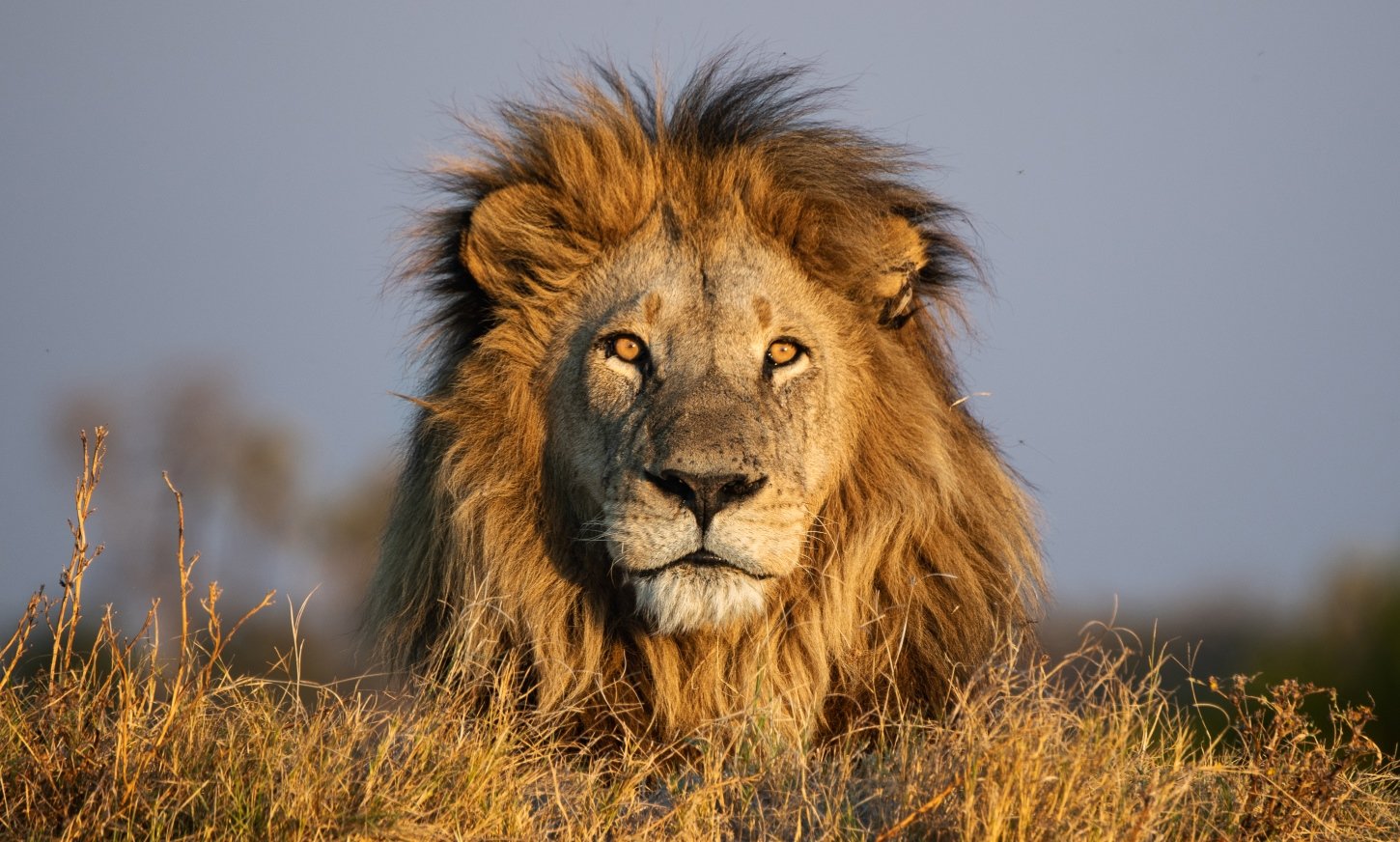
Follow the sound to find Africa's most commanding presence. A lion's territorial roar, echoing across the plains at dawn or dusk, is a sound that vibrates through your very soul.
To find them, guides will expertly scan for fresh tracks near waterholes or interpret the circling vultures overhead, often a tell-tale sign of a recent kill. Observing a pride together in their natural habitat, in the soft morning light or as they wake for a night of hunting, is an unforgettable privilege.
The leopard
Perhaps the most challenging of the Big Five to find, leopards are creatures of stealth and solitude. Their camouflaged coats blend seamlessly with the dappled light of the bush, and they are masters of discretion.
The search for a leopard demands patience and keen eyes, scanning the branches of ancient trees or riverine thickets where they might be resting. Listening for the warning calls of monkeys or antelope can also betray their presence, a thrilling signal that sends a ripple of anticipation through the air before the ghost itself appears.
The elephant
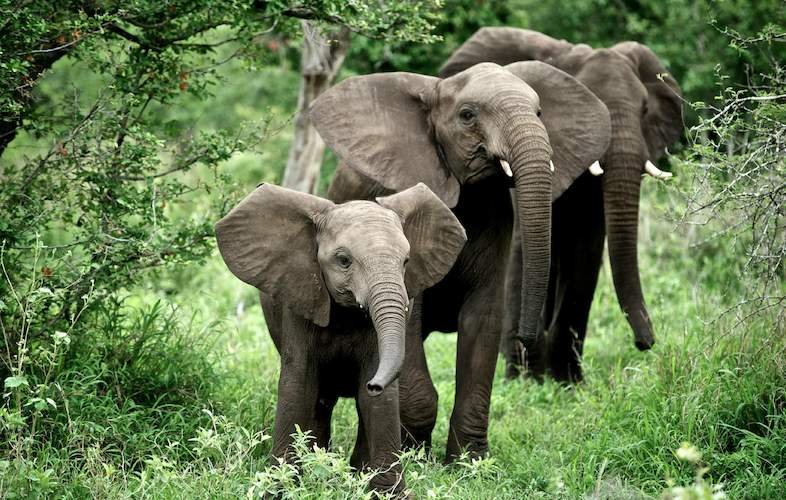
Africa's largest land mammal, the elephant is an impressive sight. Finding them often involves looking for the significant impact they leave on the landscape—torn branches and churned earth, fresh tracks leading to water sources, and the gentle, deep rumble of their communication that vibrates through the air.
Witnessing a herd of elephants moving with purpose and grace is like observing an architect at work, shaping and sustaining the landscape, their movements vital to maintaining the ecosystem.