All About the African Painted Dog

February 16, 2024
share

Understanding Africa's wild canines: the elusive African painted dog

Certain wildlife encounters are so pure, so thrilling and so moving that they will stay with you forever. For countless ROAR AFRICA safari guests the African painted dog ranks highly among these unforgettable sightings. Adorned with cascading splashes of gold, red, black, brown and white fur, the elusive creatures move with a sense of grace and unity that is magical to behold, their strength forever a reminder of the power of nature.

Few creatures are simultaneously a symbol of the wild’s untamed spirit, yet also a testament to the power of community and cooperation. But, despite its indomitable speed and hunting prowess, the African wild dog also engages in deep-rooted relationships that foster the greater good of the pack. To witness the beauty and social intelligence of an endangered African painted dog in action is a rare privilege, and one that fewer and fewer people will ever experience amid threats to the existence of these spectacular animals and the delicate ecosystems they keep in balance.

What to Know About the African Painted Dog 


What are African painted dogs? 

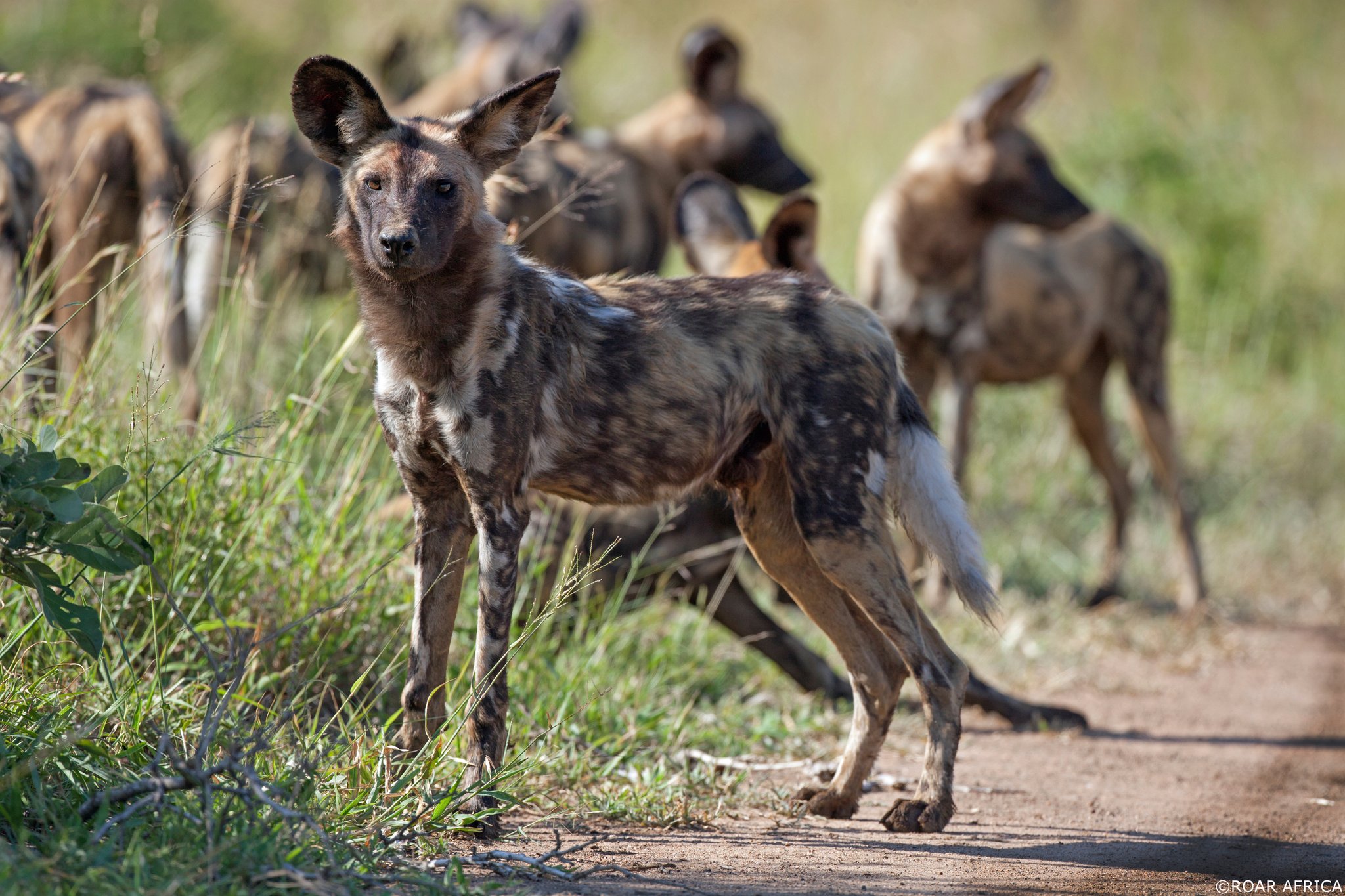
The African painted dog, often called the African wild dog or Cape hunting dog, is referred to scientifically as Lycaon pictus, Latin for “painted wolf.” This name of course refers to the multicolored mottling of the dog’s coat, of which no two are the same. With long legs and rounded ears, these are the largest of all the African canines, weighing between 40–80 pounds and living an average of 11 years.

Where do African painted dogs live?

African wild dogs were once common across the entire continent, however their populations have declined drastically, due to a combination of ecological, human-induced and biological factors. Sadly, the mammals are now classified as Endangered by the IUCN. A rare sighting on safari in sub-Saharan Africa, painted dogs are most frequently seen in the vast, semi-arid plains of Botswana, Zimbabwe and Zambia, as well as some areas of Tanzania and Kenya in East Africa.

Lifestyle and social behavior of African painted dogs

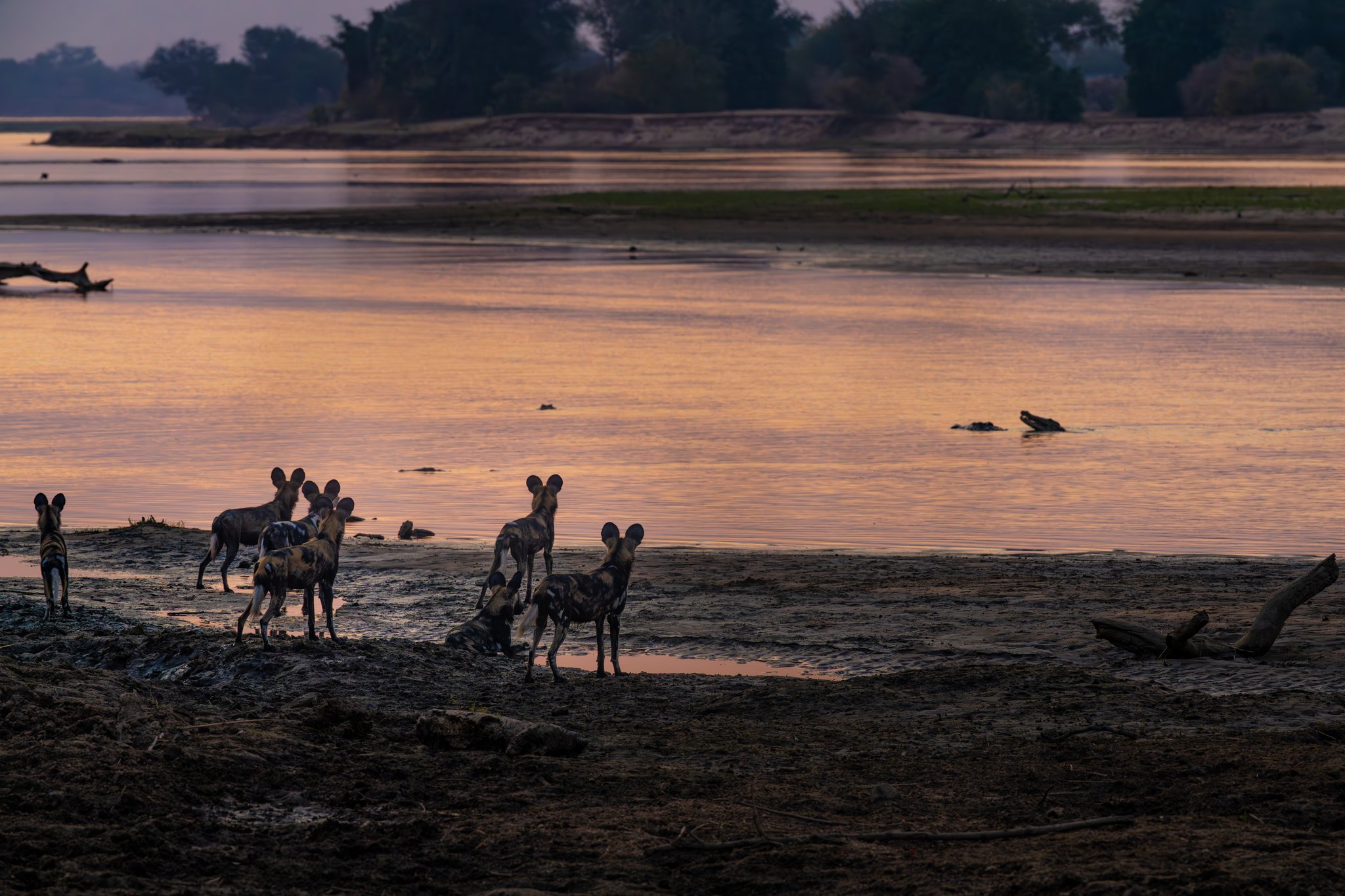
The painted dogs of Africa have a distinctively close-knit social structure, living in packs that can have as many as 20 members but usually hover around six or eight. A dominant breeding pair leads the pack, but all members help to care for the pups, which reach hunting age at 12 months. These dogs are seldom aggressive toward one another, a rarity among other species, and are known to feed and care for any weak or injured members of the pack. Innately social, the creatures communicate with touch, body language and calls, and they have also been observed mourning pack members who have passed.

What do African painted dogs eat?

Skilled hunters, African painted dogs eat a carnivorous diet of kudu, impala and other antelope species, as well as wildebeest and buffalo. They may also hunt birds and rodents when larger game is sparse. Their pack lifestyle is particularly beneficial for hunting and by surrounding prey in small groups, they have an 80% success rate on any given chase.

Africa’s Most Unique Canid


African painted dogs vs. hyenas

While African wild dogs are canines related to jackals, wolves and coyotes, hyenas are neither canines nor felines, as commonly believed, and instead belong to their own Hyanidae family. Unlike wild dogs, hyenas are not endangered and can be found across the entire African continent. Hyenas are also much more solitary than wild dogs, excluding spotted hyenas, which live in large clans.

A unique African painted dog fact

Aside from their tight-knit relationships, African painted dogs exhibit another behavior not commonly found in the wild. Before beginning a pack activity, such as hunting a buffalo, they often vote by sneezing, which signals their approval.

Conservation Status 


How many African painted dogs are left in the world?

According to the IUCN Red List, there are just over 1,400 mature African painted dogs left in the wild, making them the second most endangered carnivore in Africa. The species is, however, crucial for keeping wild ecosystems in balance: wild dogs serve as a key food source for lions, and their hunting of antelope helps prevent overgrazing and habitat destruction.

Threats and conservation efforts

The population of African wild dogs has been in rapid decline since the 1990s, mainly due to habitat fragmentation caused by human activity. The dogs require vast territories to hunt and thrive and fragmentation from roads, fences and settlements limits their movement and access to prey. Livestock farming has also contributed to the breaking up of once-vast habitats and forced the dogs into contact with man-made harms, including snares, disease and road accidents.

While scientists believe the damage to the African wild dog population will be difficult to reverse, African conservationists are working hard to keep their current numbers alive and healthy. Particularly promising are the efforts by the Bushlife Painted Wolf Conservancy in Zimbabwe, an organization that works to increase species numbers across the entire Lower Zambezi valley. Currently, there are 110 African wild dogs in the Mana Pools World Heritage Site and the conservancy is working toward the continued protection of the species through collaring and den monitoring, anti-poaching measures and a proposed expansion of the protected area.

How you can help

In addition to donating to conservation efforts that resonate with you, you can choose to invest in sustainable African travel that gives back to the continent’s iconic wildlife and wild spaces. ROAR AFRICA safaris are transformative journeys that not only provide guests with a seamless, insider experience of our home continent, but also educate, inform and empower travelers. Every guide, property and collaborator we work with shares our most urgent mission, making your trip a powerful investment that supports and sustains Africa’s most magnificent, fragile places

Thrilling game drives, breathtaking wildlife viewings and even more exhilarating experiences await. Read more about embarking on an ultra-luxe African safari with ROAR AFRICA today.

Subscribe  
TO RECEIVE THE LATEST UPDATES

By subscribing you're confirming that you agree with our Terms and Conditions.

ROAR AFRICA