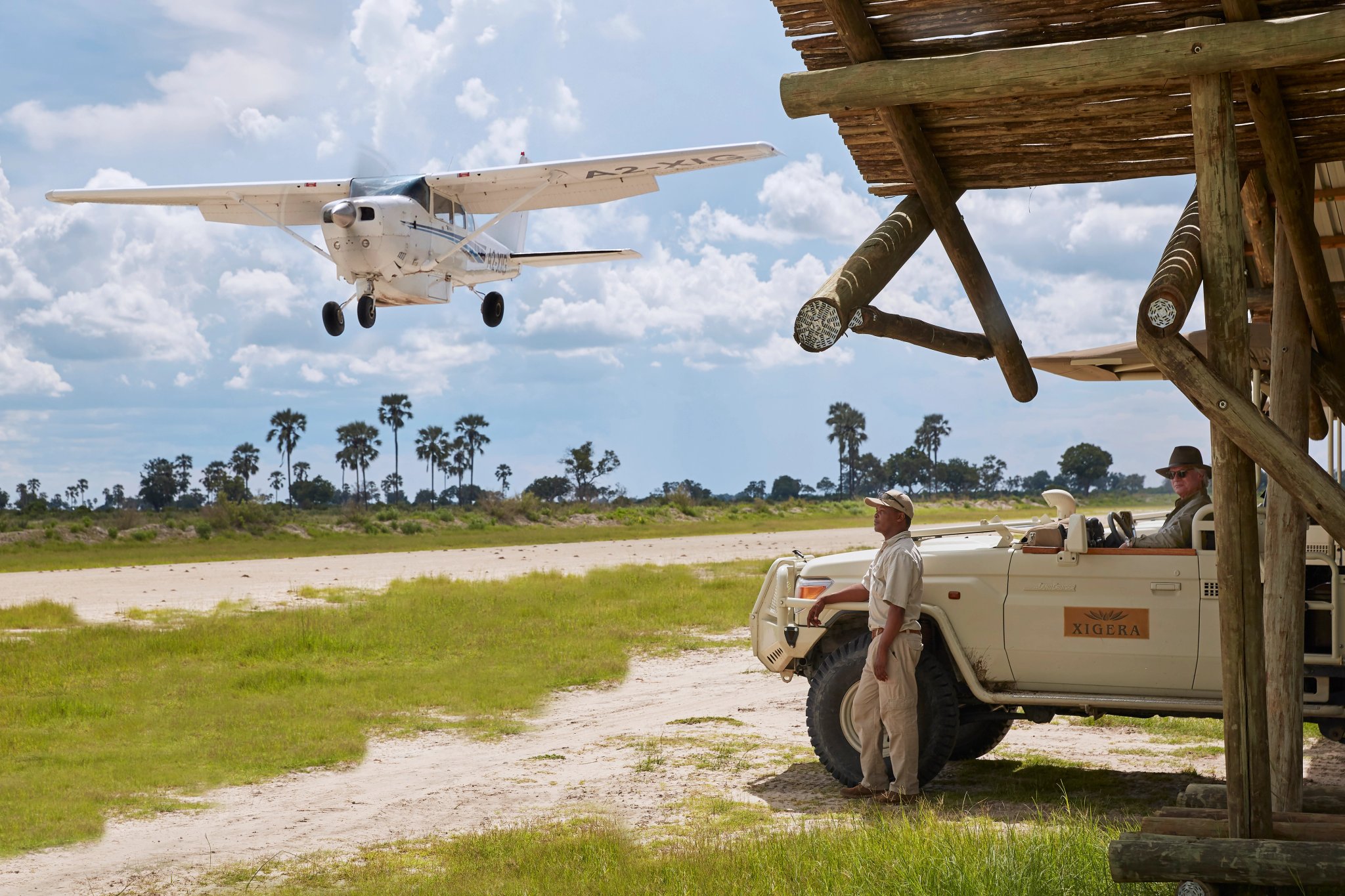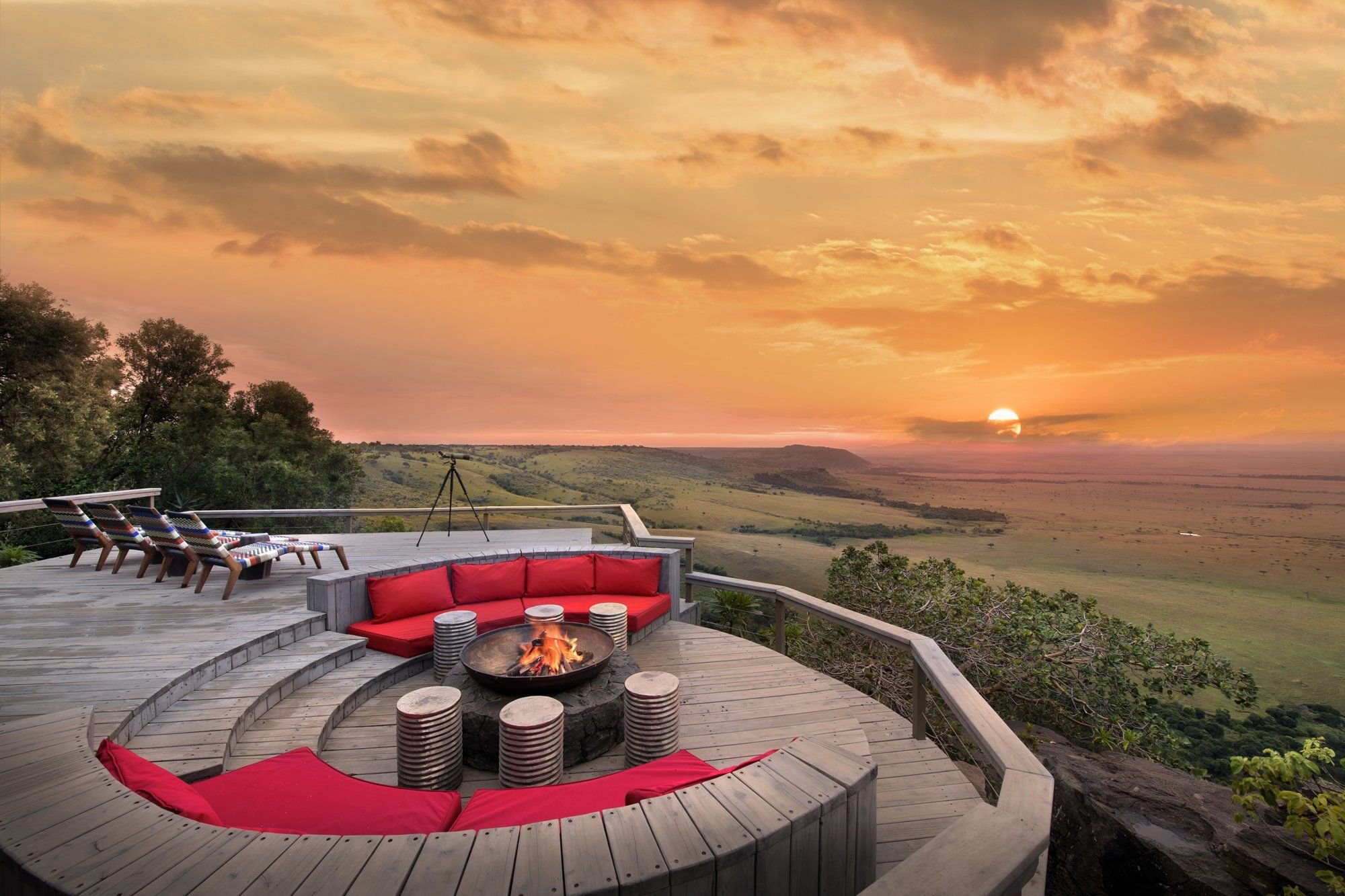
When you talk about access in African travel, what do you actually mean?
For me, access is about being invited into something that cannot simply be bought or arranged through a booking. It is the privilege of experiencing Africa through people who know it intimately, whether conservationists protecting a wilderness, women creating opportunities in their communities, or someone sharing a story passed down through generations.
After twenty years of creating journeys across Africa, I believe the most valuable access grows from relationships, trust and lived knowledge. It is not simply about going somewhere few people get to go. It is about being welcomed, gaining a different perspective and leaving with a deeper understanding of the people and places you have encountered.
How do relationships built over years translate into experiences a traveler could not easily arrange independently?
For me, these relationships are deeply personal. Africa is my home. My family’s connection to this continent spans 11 generations and more than 300 years, and my own life and work have been rooted here. Over the past twenty years, we have built relationships with conservationists, guides, community leaders and people whose knowledge of their landscapes, wildlife and cultures offers perspectives a visitor might never encounter alone.
These relationships create possibilities that go beyond what can be found online or arranged through a booking. But knowing someone is only part of it. You also need the judgment to know whether an introduction is appropriate, whether the timing is right and whether it will genuinely enrich the journey. Our firsthand knowledge helps us connect people naturally, rather than arranging encounters simply because they are possible.
Can you share an example of an encounter that illustrates what meaningful access looks like?
I think of a couple who were traveling in Rwanda. After visiting the Genocide Memorial, their guide shared his own memories of the country’s history and introduced them to someone who could offer another perspective. They later told us it was one of the most thought-provoking parts of their journey.
For me, that is what meaningful access can make possible. It allows you to understand a place through the people who have lived its history, and to hear perspectives that bring a deeper dimension to what you have seen. The guide was able to open that door because of his own knowledge, experience and relationships. It became an encounter that stayed with the guests long after the visit itself.
What makes engaging with local communities meaningful for both the visitor and the people welcoming them?
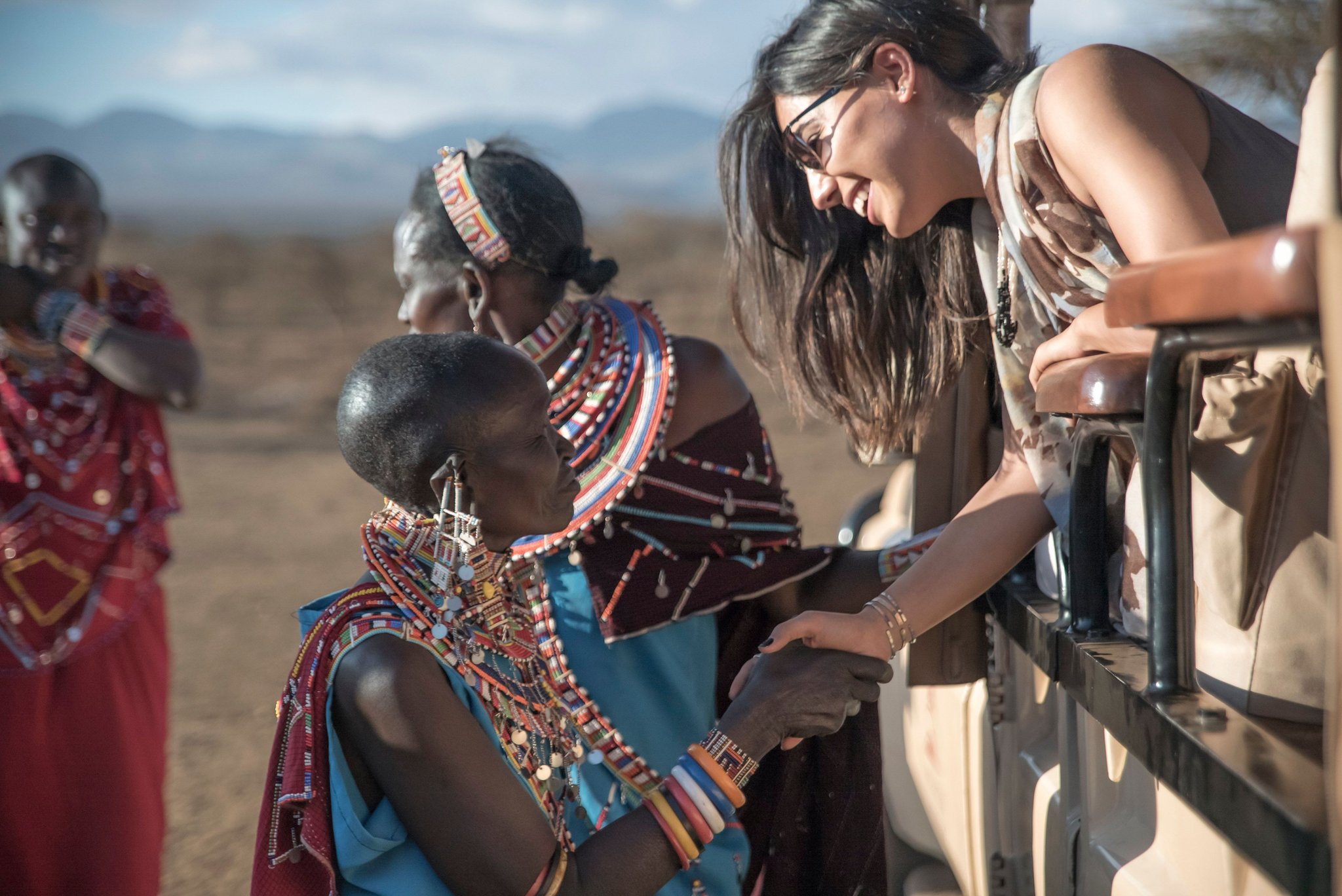
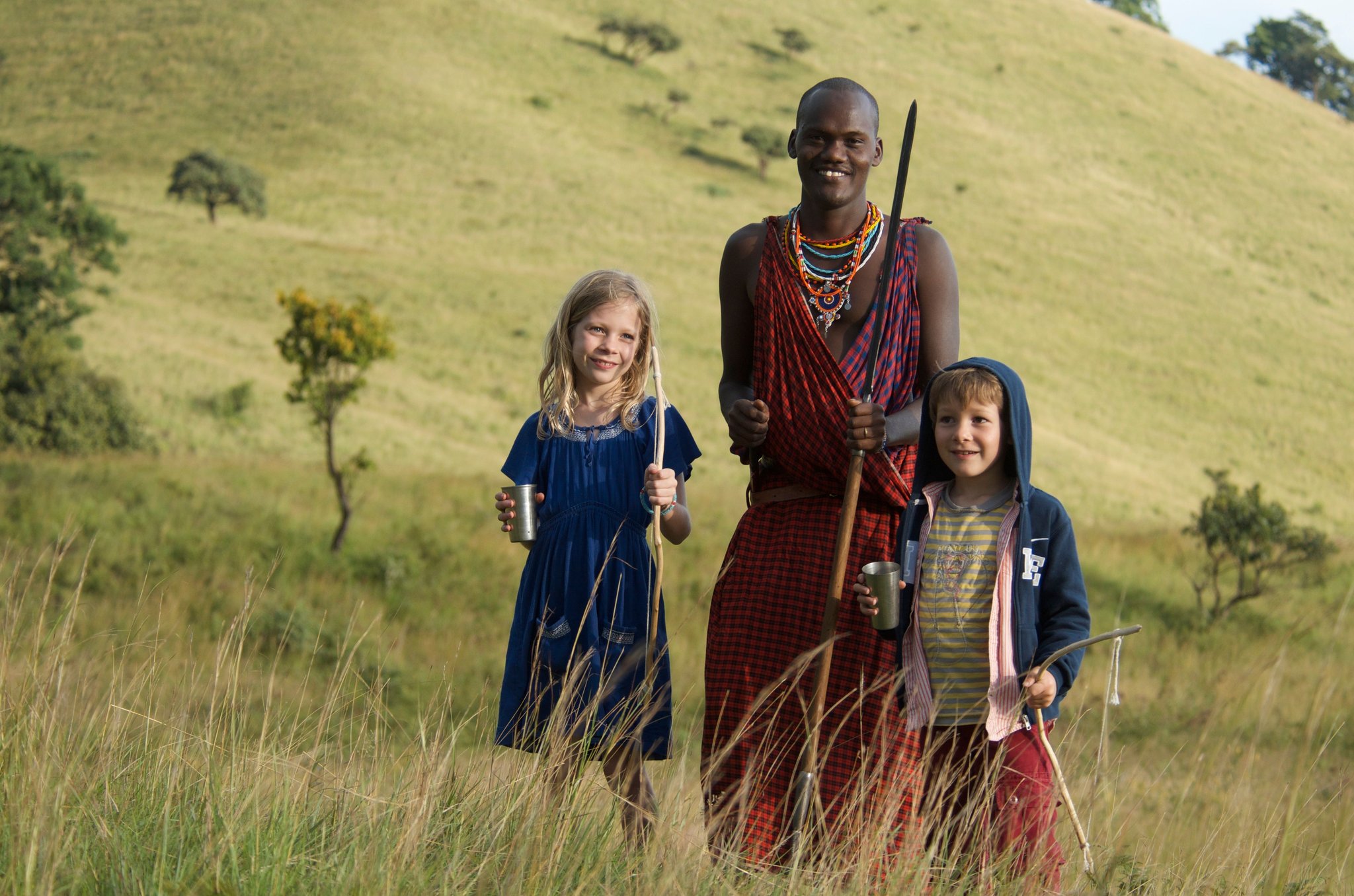
It begins with understanding that you are entering someone else’s world. The encounter needs to matter to the people welcoming you, not just the visitor. In Kenya, Campi Ya Kanzi offers an example of what this can look like. Located on Maasai-owned land and built around a community partnership, it gave one family traveling with us the opportunity to experience Maasai culture and develop a genuine connection with their guides, whom they described as feeling like family.
During their stay, the family became aware of the challenges women in the village faced in transporting water. After returning home, they purchased ten Hippo Rollers as a pilot project to help make that task easier. What I find meaningful about this story is that the family did not arrive with a predetermined idea of how they could help. They had the opportunity to spend time in the community, understand something of daily life and recognize a practical need for themselves. Our role is to create opportunities for that kind of exchange, while respecting the priorities and agency of the people who welcome us.
How do you distinguish a genuine cultural exchange from an experience created primarily for tourists?
The distinction is not whether an experience has been organized. Thoughtful preparation can make an encounter more respectful and meaningful. What matters is who has a voice in it, whether the visit is welcome and whether it reflects the lives and priorities of the people involved.
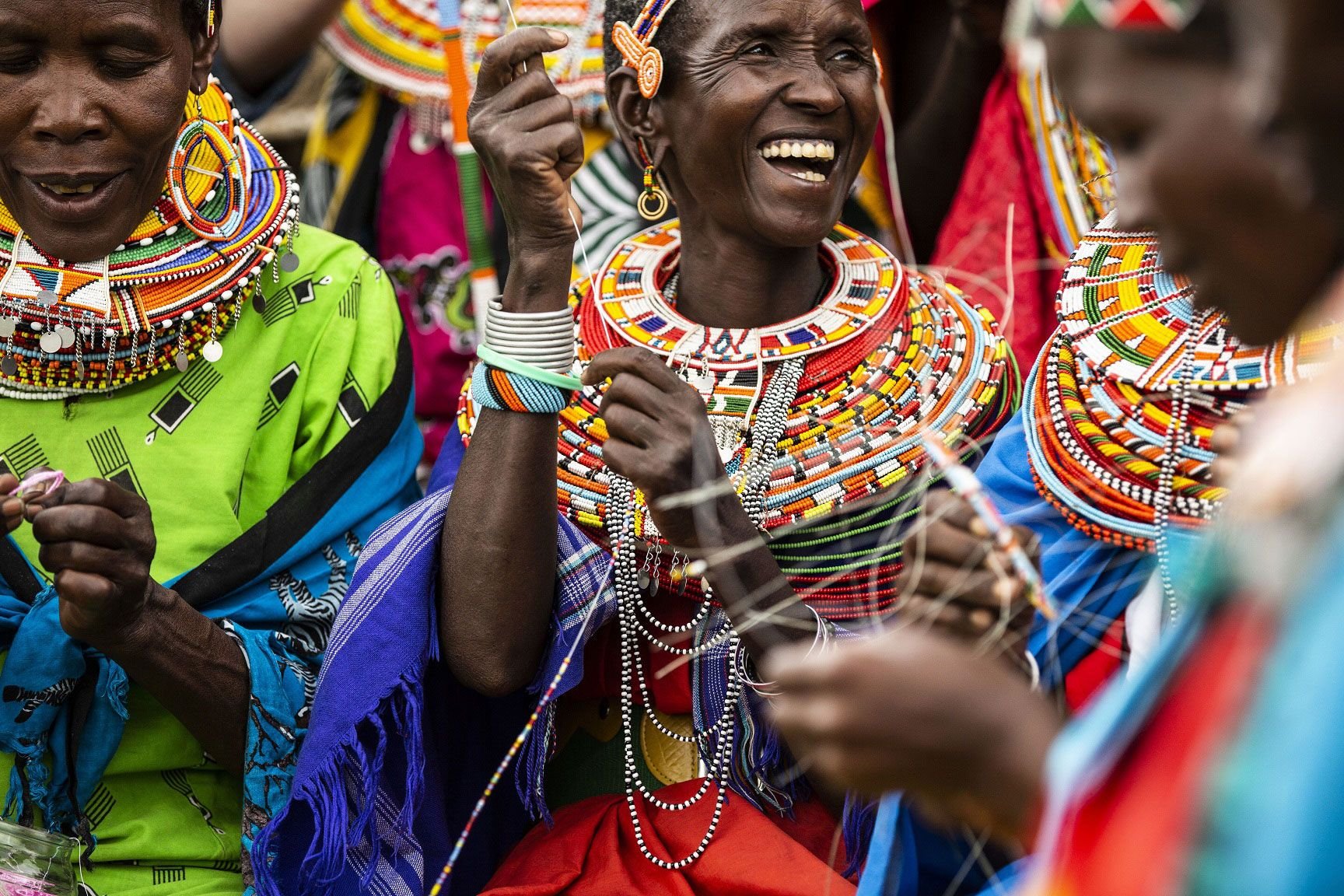
In Kenya, guests have the opportunity to make beadwork alongside women from the SATUBO collective and visit nearby villages. These encounters can become very natural exchanges. Children, for example, begin playing, singing and dancing together, finding common ground through shared moments of curiosity and enjoyment. The experience allows guests to spend time with people in their own communities and gain a glimpse of everyday life. A cultural encounter can be carefully planned and still be genuine. The people involved must be respected as individuals, with their own knowledge, choices and priorities. We want guests to leave with greater understanding, not simply a photograph.
How does your firsthand knowledge of Africa influence which experiences you recommend and which you choose not to arrange?
I was reminded of the value of firsthand knowledge on a recent holiday in Greece. Despite the photographs, reviews and recommendations, the hotel and villa I had chosen fell far short of what I had hoped for. I spent precious holiday time trying to put things right. It reinforced a distinction I have always believed in: there is an enormous difference between knowing where to go and knowing what is right for someone.
In Africa, we have slept in the rooms, traveled the roads, crossed the borders and returned to places through changing seasons. We know the owners, guides and people whose care gives a place its character. Sometimes a quieter choice is more appropriate, or our most important recommendation is the place we advise someone not to visit. The same judgment applies to experiences. Something may be possible without being appropriate or worthwhile. Sometimes the right decision is to leave something out.
Does meaningful access always need to be exclusive, or can an ordinary moment offer a deeper connection to Africa?
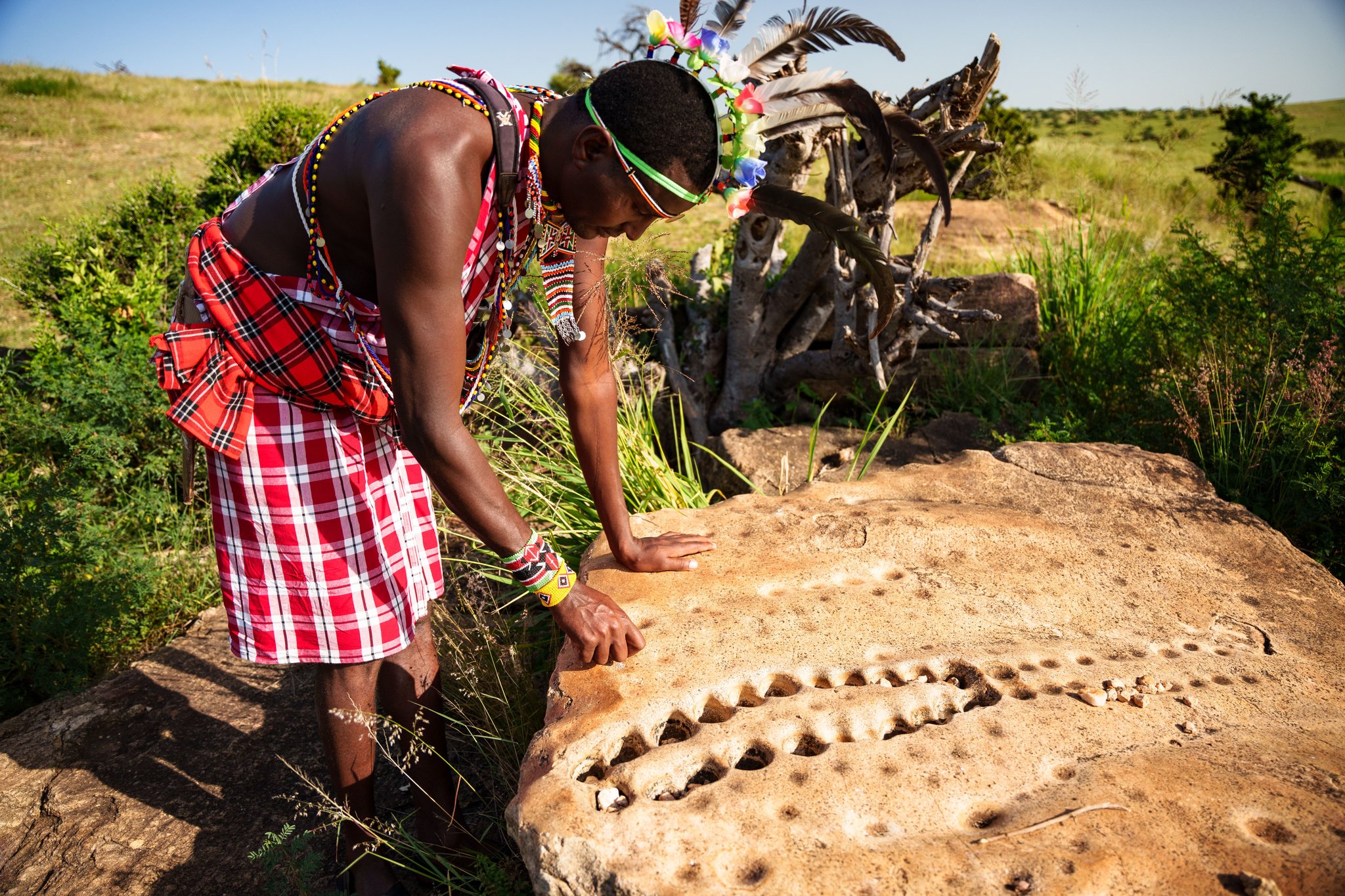
Not at all. We can become so focused on finding something rare that we overlook the moments that stay with us longest. A knowledgeable guide interpreting animal tracks can transform an ordinary walk into an entirely different way of seeing the bush. A conversation can bring a place’s history into focus in a way that reading alone cannot.
The greatest privilege is not simply access to a place, but access to the people, stories and knowledge that help us understand it. Sometimes that comes through a carefully arranged introduction. Sometimes it happens unexpectedly. Our responsibility is to create the conditions for those moments while leaving room for the unplanned.
What do you hope a traveler understands about Africa after an experience that offers genuine access?
I hope they leave understanding that Africa is not simply a collection of extraordinary landscapes and wildlife. It is a continent of people, histories, cultures and communities, connected in ways that may not be immediately visible to a visitor. When guests meet people protecting a landscape or building livelihoods alongside wildlife, they begin to understand that conservation and community are inseparable. I also hope they experience something that is harder to put into words: the awe of being in the presence of the wild, the peace that comes from slowing down and the profound privilege of being fully present in a place.
I hope they leave asking not only what they have seen, but who made the experience possible and how their presence might contribute positively. Ultimately, I want them to carry both a deeper understanding of Africa and a lasting connection to the people and places they have encountered. The greatest privilege is to feel the wonder of this continent, understand what it takes to protect it, and care enough to want that future to endure.
Begin a conversation with our team to explore what access we can create for your journey to Africa. +1 855 666 7627 · welcome@roarafrica.com
When it has to be perfect.