
Nestled within the heart of Tanzania's pristine wilderness lies a rare natural wonder where the ancient rhythms of Africa march to the sounds of nature. Join us on a journey to Ngorongoro Crater, one of the world's most extraordinary wildlife destinations where ROAR AFRICA guests experience unparalleled game viewing on what is considered one of the best safari destinations in Africa.
share
Ngorongoro, Tanzania
What is the Ngorongoro Crater?
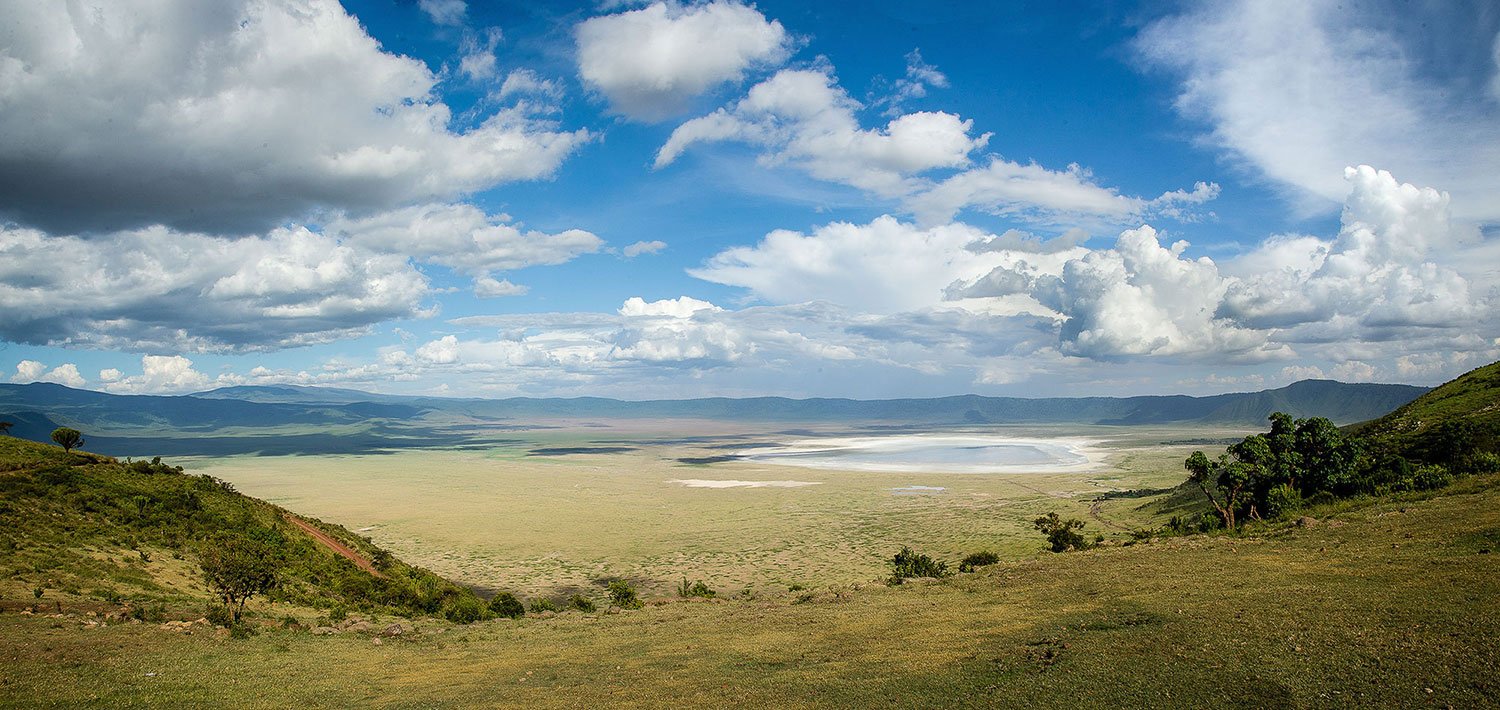
The Ngorongoro Crater is the world's largest unflooded caldera (collapsed volcanic basin) encompassing 100 square miles of wetland, forest and grassland, surrounded by walls reaching up to 600 meters. Formed around three million years ago, the sprawling crater — now a UNESCO World Heritage Site — has evolved into a giant natural amphitheater. Here, animal populations thrive in a unique ecosystem that is one of Africa's greatest wildlife sanctuaries.
Where is the Ngorongoro Crater?
Lying in northeast Tanzania, the Ngorongoro Crater forms part of the broader Ngorongoro Conservation Area, which also includes the volcanic craters of Olmoti and Empakaai. Nearby iconic landscapes such as the Serengeti's vast plains and the archaeological wonders of Olduvai Gorge complement this extraordinary ecosystem.
Along with being declared a designated conservation area, the semi-nomadic Maasai people who have called the region home for centuries, continue their pastoralist way of life, grazing their livestock on the abundant grasslands that surround the crater. This emphasis on multiple land use is shared by many wilderness areas across Africa, where humans and animals can continue to coexist as they have for hundreds of years.
Why is the Ngorongoro Crater so special?
Born from the cataclysmic eruption of a massive volcano approximately three million years ago, the Ngorongoro Crater is the largest unflooded and unbroken caldera on our planet. Many craters become lakes over time, but Ngorongoro's natural drainage prevents it from filling with water permanently, making this geological marvel even more significant. As a result, it posseses unique geology and is home toan extraordinary concentration of diverse wildlife, including the Big Five (lion, leopard, elephant, rhino, buffalo) and the critically endangered black rhino, all within a breathtaking ampitheater landscape that offers unparalleled year-round safari viewing, a blend of natural wonder and cultural richness.
Ecosystems, Wildlife & Game Viewing in Ngorongoro Crater
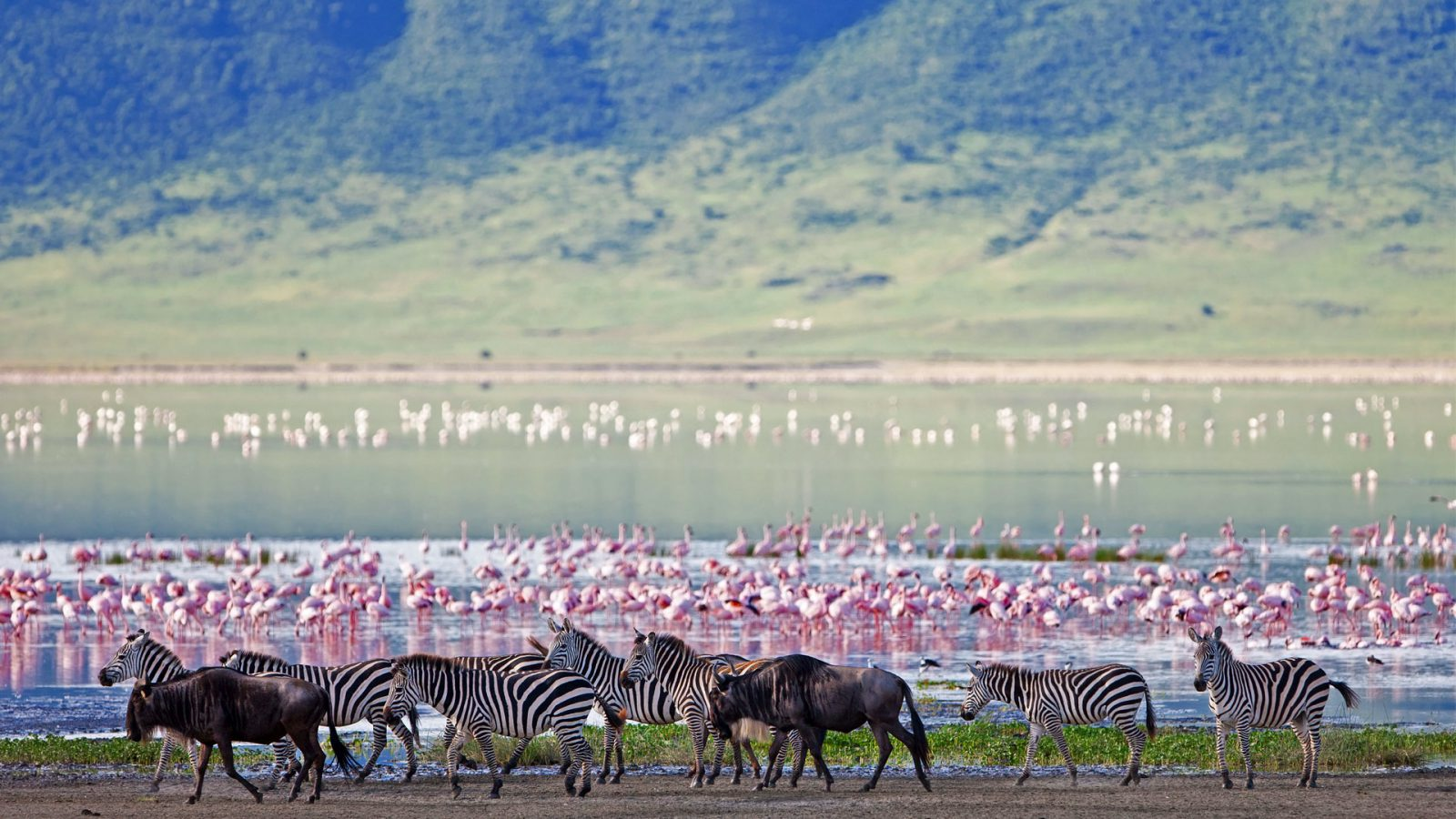
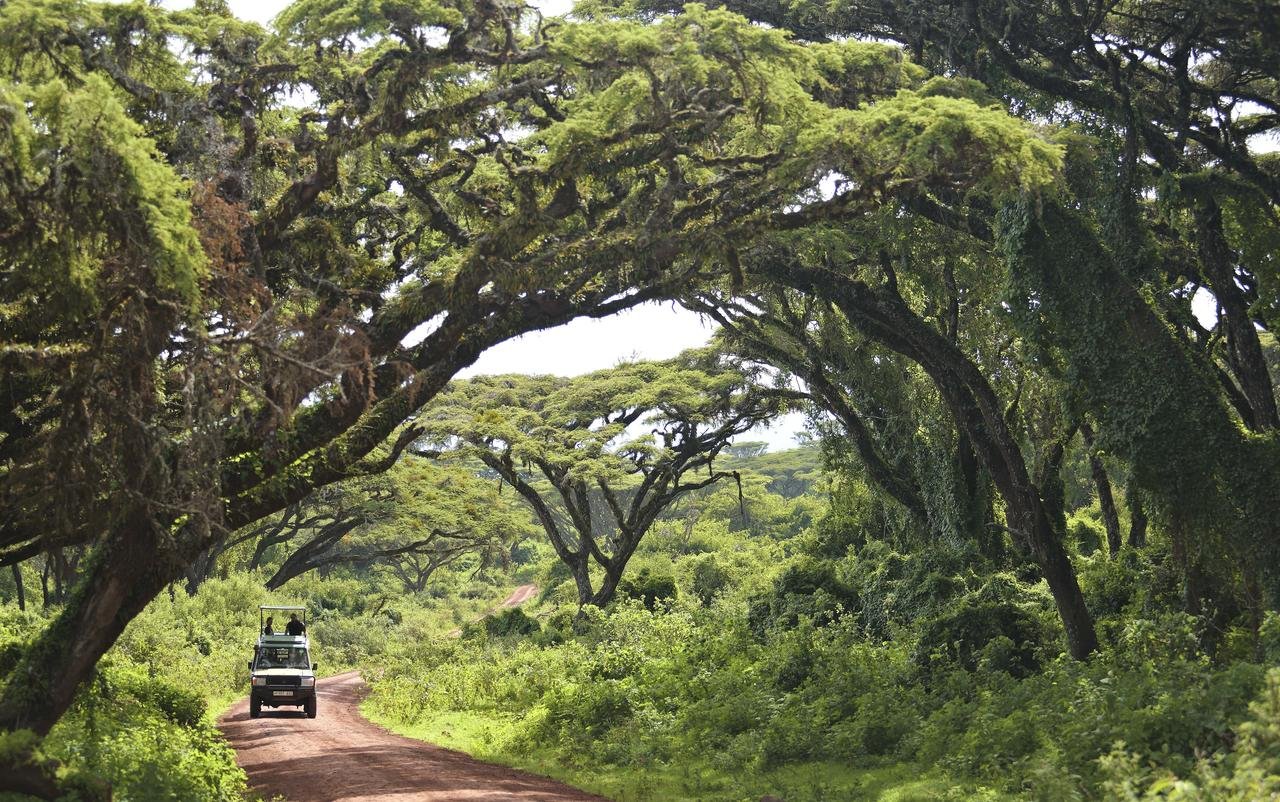
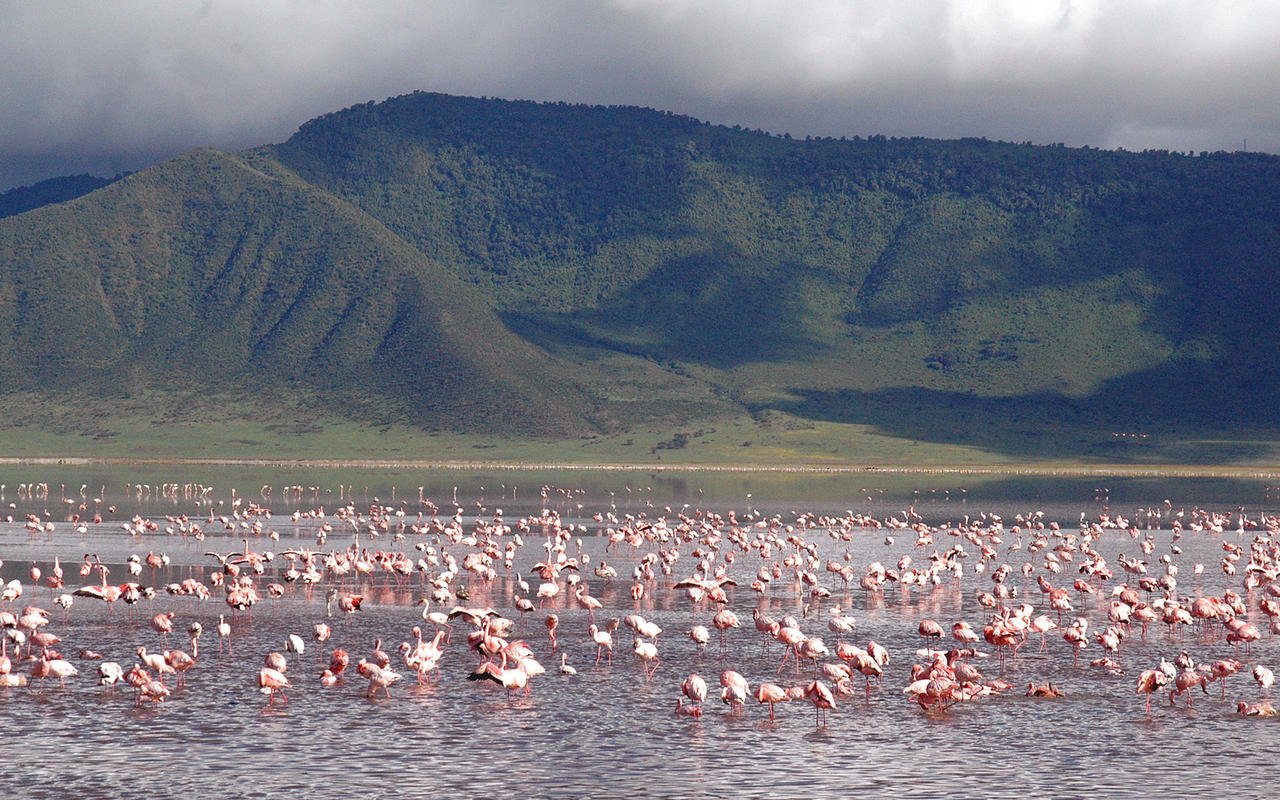
Encircled by the towering crater walls draped in euphorbia, the Ngorongoro Crater forms a remarkable natural microcosm, supporting one of the highest densities of mammals in Africa, with more than 25,000 animals and over 500 bird species recorded. Across the 260-square-kilometer crater floor, fig and fever tree forests provide shade, while open savannah, freshwater springs, swamps, and the shallow alkaline waters of Lake Magadi sustain vast herds of wildlife, including wildebeest, zebra, and antelope, alongside predators, hippos, and flocks of flamingos.
An African safari to the Ngorongoro Crater delivers exceptional year-round game viewing, including frequent sightings of the Big Five, all within a breathtaking amphitheater of landscapes. Expert-led game drives descend from the volcanic rim into the heart of the crater, offering easy access to one of Africa’s most rewarding and immersive safari environments.
The Big Five
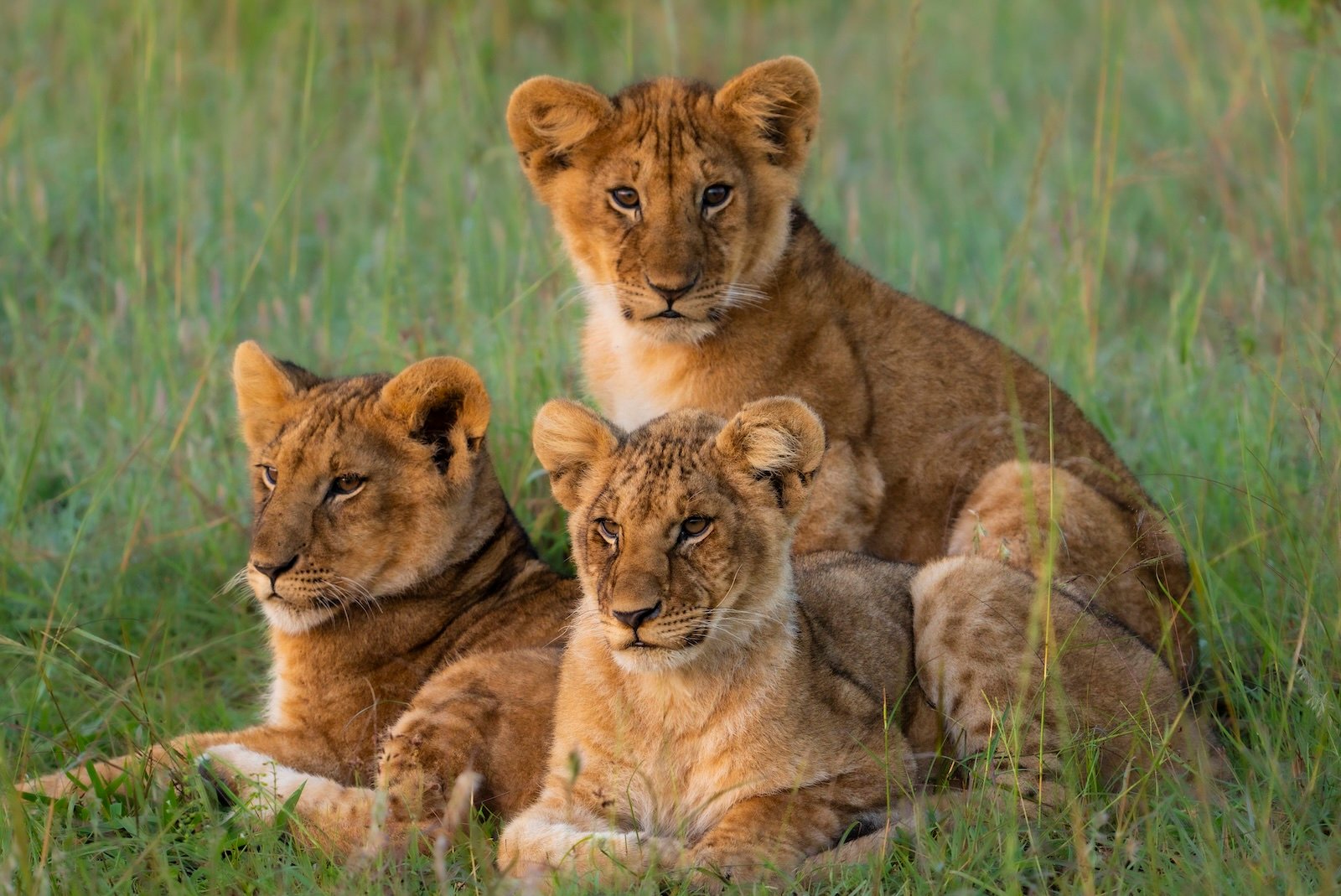
The Ngorongoro Crater famously has one of the densest populations of lions in Africa, making this corner of Tanzania one of the best places to spot the apex predator in all its majesty. You may be lucky enough to see a successful hunt, or the aftermath of one, or to simply observe the casual interactions of a pride lazing in the shade. With a high concentration of other predators, you might also have a chance of spotting a leopard hiding above you in the low branches of a tree! Or spotting a cheetah hunting in the early morning hours.
Known for some of the last remaining great tuskers, you will see massive bull elephants in the Ngorongoro Crater as well as large family herds made up of females and calves. Baboon families are frequently seen in the Lerai Forest, which is crowned by beautiful towering yellow acacia trees, while herds of buffalo are easily spotted in the open plains where they congregate for better self-preservation against predators. A drive to neighboring Lake Ndutu just outside of the crater, is also a highlight where sightings are frequent, especially during the Great Migration.
Perhaps most coveted are sightings of the critically endangered black rhinos. These magnificent creatures find refuge in this sheltered area, making Ngorongoro one of the few places where you can still witness them in their natural habitat.
What else can you do on a Ngorongoro Safari?
Together with iconic game drives on the crater floor, the Ngorongoro Conservation Area offers a rich tapestry of experiences as you explore northern Tanzania’s landscapes, cultures, and geological wonders.
Explore the lesser-known craters of other extinct volcanoes along the western edge of the Great Rift Valley, revealing dramatic viewpoints and striking ecosystems.
Enjoy exceptional birding at Lake Natron, a shimmering soda lake that hosts vast breeding colonies of East Africa’s lesser flamingos between August and October.
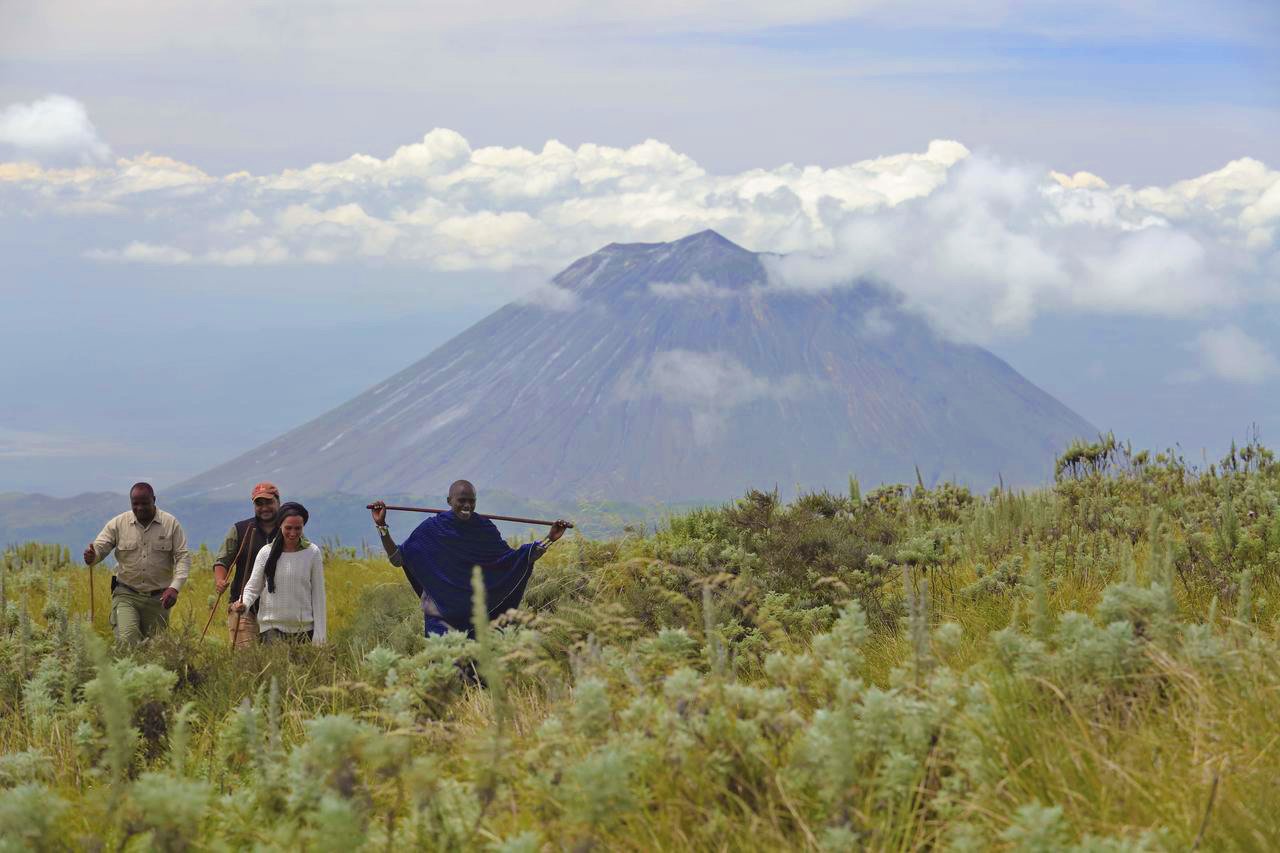
Hike remote trails through forests, grasslands, and volcanic highlands, often following ancient Maasai cattle paths that trace the rhythms of pastoral life.
Discover the Maasai's "Mountain of God", Ol Doinyo Lengai, an active carbonatite volcano revered by the Maasai and unlike any other on Earth.
Spend time in Maasai communities for an authentic cultural exchange and insight into traditions that have endured for generations.
Visit Olduvai Gorge, one of the world’s most important archaeological sites, where fossil discoveries have reshaped our understanding of early human history.
When is the best time to visit the Ngorongoro Crater?
The Ngorongoro Crater is a spectacular, ever-rewarding landscape, offering exceptional natural beauty throughout the year, with March to early May marking the long rainy season.
The most popular time to visit as part of a wider Tanzania safari is during the East Africa dry months from June to October, when wildlife gathers around shrinking water sources, delivering outstanding game viewing across the open plains. Short rains typically fall between November and December, while January and February bring verdant scenery, fewer vehicles, and a quieter, more intimate safari experience.
Where should you stay on a Ngorongoro Crater safari?
A stay at a Ngorongoro Crater safari lodge places you front-row to sweeping views across the caldera and the wider conservation area, while keeping you moments from extraordinary wildlife encounters. We hand-select each lodge for its exceptional guiding, refined comfort, and sense of serenity, ensuring every experience unfolds in beautiful, unhurried surroundings.
Plan your Africa safari to Tanzania's Ngorongoro Crater
The Ngorongoro Crater stands among the great natural wonders of the world, a landscape defined by extraordinary ecosystems and remarkable wildlife encounters. Experiencing it firsthand on a Tanzania safari with ROAR AFRICA offers a deeper understanding of its scale, stillness, and enduring power.
Our team brings decades of firsthand knowledge of Africa, shaping thoughtfully curated journeys that reveal each destination with authenticity and care. Inquire today to discover more.
To explore what defines a ROAR Africa journey, discover our Ultimate Guide to Luxury African Safaris.
More from ROAR AFRICA
September 25, 2025Wonder
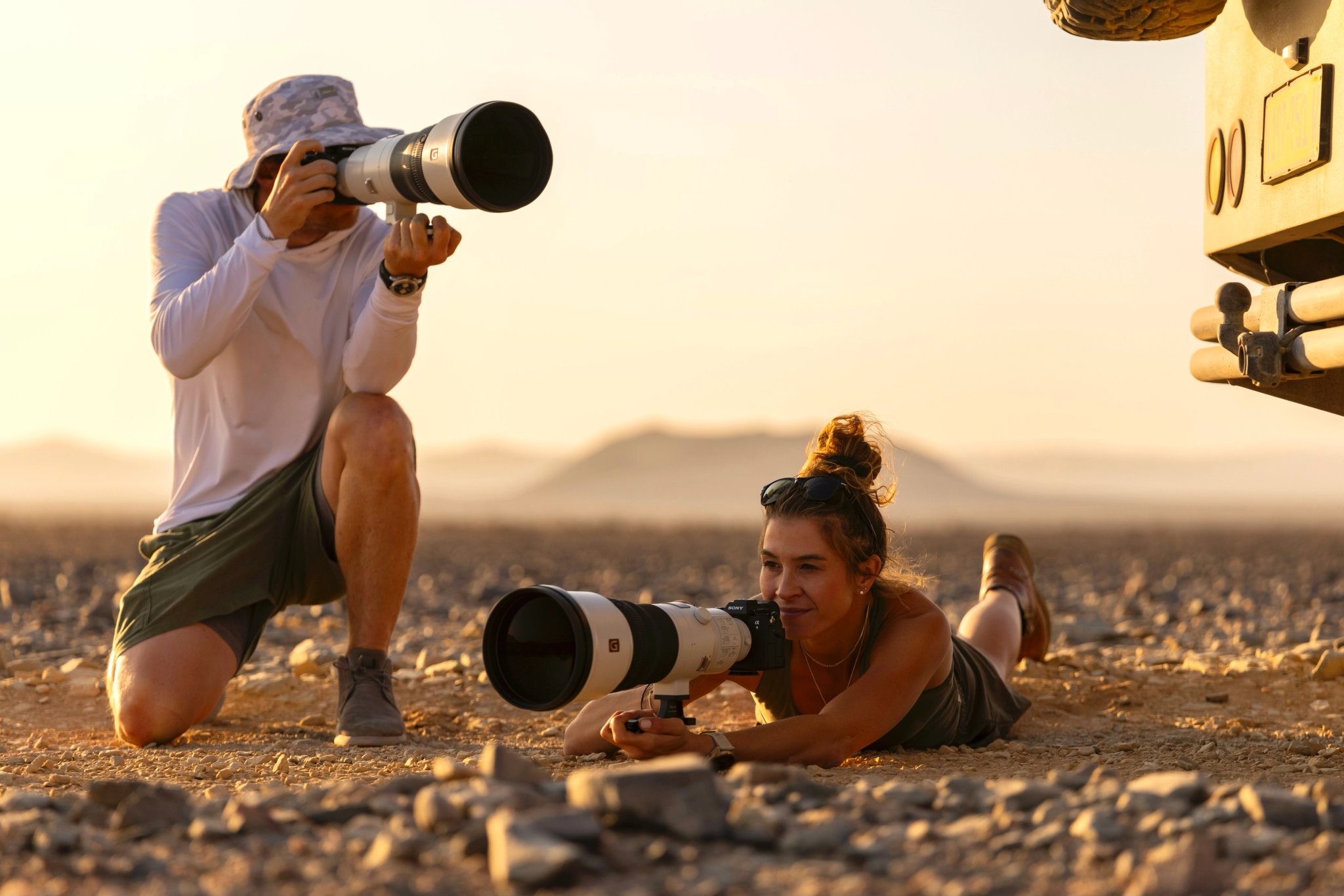
What camera equipment should I take on safari?Undecided on how to capture the best moments on safari? The team of experts at ROAR AFRICA have created this helpful guide covering what camera equipment you need.
November 8, 2024Wonder
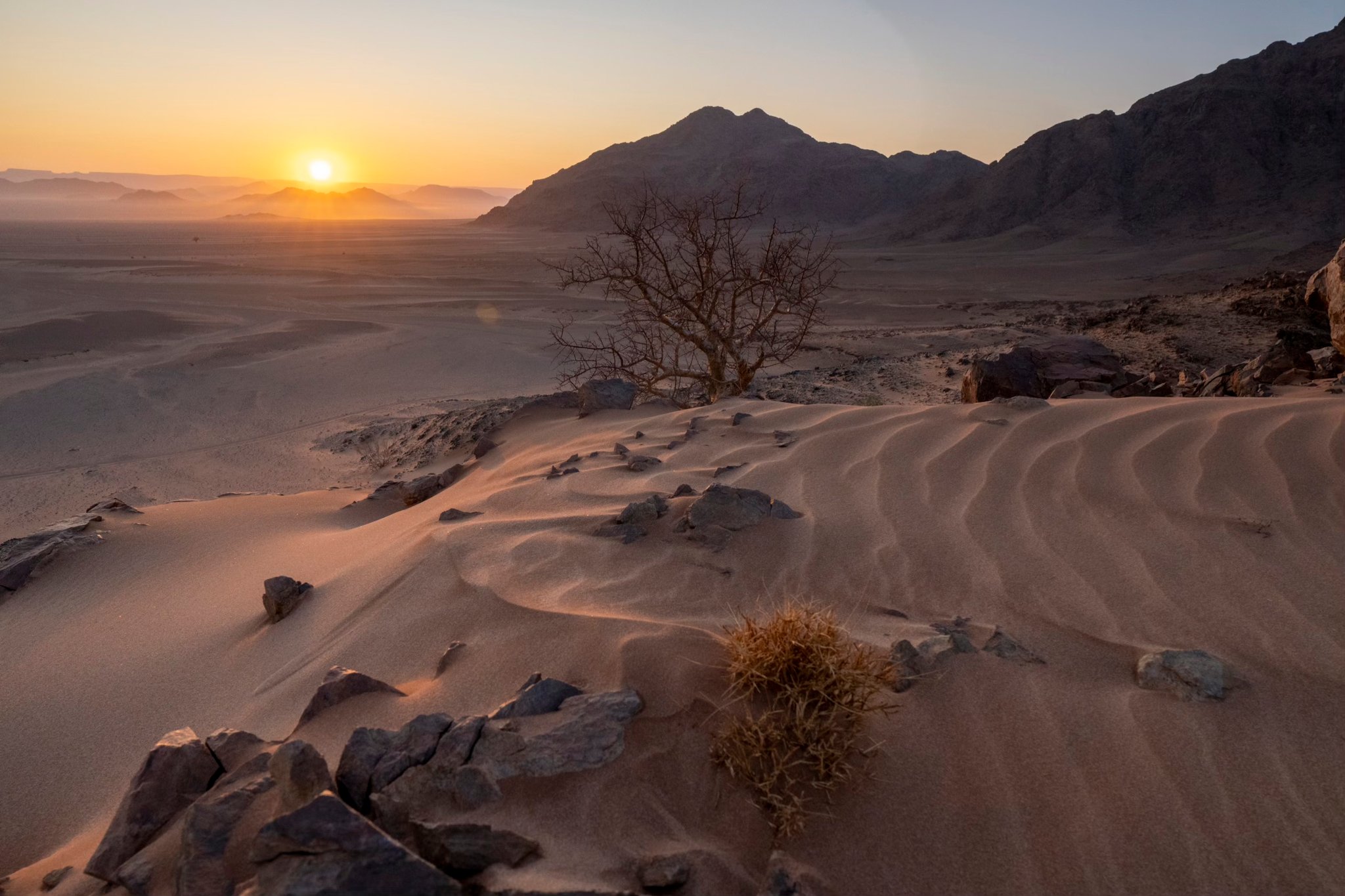
Namibia: where nature's artistry reshapes the earthIf Mother Nature’s sheer power and resilience could be exemplified in one place on the planet, it would be the dramatic, unimaginably vast landscapes of Namibia.

February 27, 2020Wonder
William Kentridge - Why Should I Hesitate Exhibition.I love Kentridge’s monochromatic signature style and so I made it my mission to visit the Norval Foundation last year in August when it opened.
