Interesting Facts About Zebras in Africa

April 18, 2024
share

Beyond Stripes: A Spotlight on Africa’s Iconic Zebras

In the sweeping savannahs of Africa, replete with magnificent wildlife and beautiful landscapes, the zebra stands out. With its elegant form, captivating movements and dramatic, one-of-a-kind stripes—which serve not only as a unique identifier but also as a masterpiece of nature's design—the zebra is one of the most iconic creatures on the continent.

Beneath every zebra’s stunning stripes is a story you may not know. Join us as we share interesting facts about these extraordinary equids, including where you can spot them on a luxury safari with ROAR AFRICA.

Zebras: An Overview

Why do zebras have stripes?

Surprisingly, it was just a few years ago that scientists found the most plausible explanation for a zebra’s stripes. While some say the stripes help zebras thermoregulate—meaning, their black stripes absorb light and the white ones reflect it—others believe the pattern is a defense mechanism against flies. Zebra stripes create an optical illusion similar to the barber pole, in which diagonal stripes trick the eye into thinking they are moving in a false direction. This in turn makes it difficult for flies to find a suitable place to land.

As for what color zebras really are?

Black with white stripes. The animals have black skin and black fur as a default, and they end up with white fur where their hair follicles have an absence of melanin, or pigment.

Are zebras horses?

No, zebras and horses are not the same species, though the two mammals both belong to the Equidae family along with donkeys. Though they are related to horses, zebras have a different temperament; they are prone to kicking and are much less docile around humans, which is why you can’t ride a zebra like you would a horse.

What role do zebras play in the wild?

Zebras are a keystone species, meaning they are essential to the balance and biodiversity of African ecosystems. They are herbivores and eat a variety of tall plants and grasses, including small trees, which clears the way for other species to graze on the shorter grasses they need to survive. Though zebras live in protective, close-knit harems and can run up to 40 miles per hour, they are still vulnerable to predators and are a valuable food source for lions, crocodiles and other carnivores. Zebras typically live up to 25 years in the wild.

Zebra Species to Admire in Africa

Plains Zebra

The zebra you are most likely to see on safari is the plains zebra, the continent’s most common species that is widespread throughout the grasslands and savannahs of many countries in East and Southern Africa. Plains zebras are recognizable by their size—larger than a mountain zebra and smaller than a Grevy’s zebra—and wide vertical stripes.

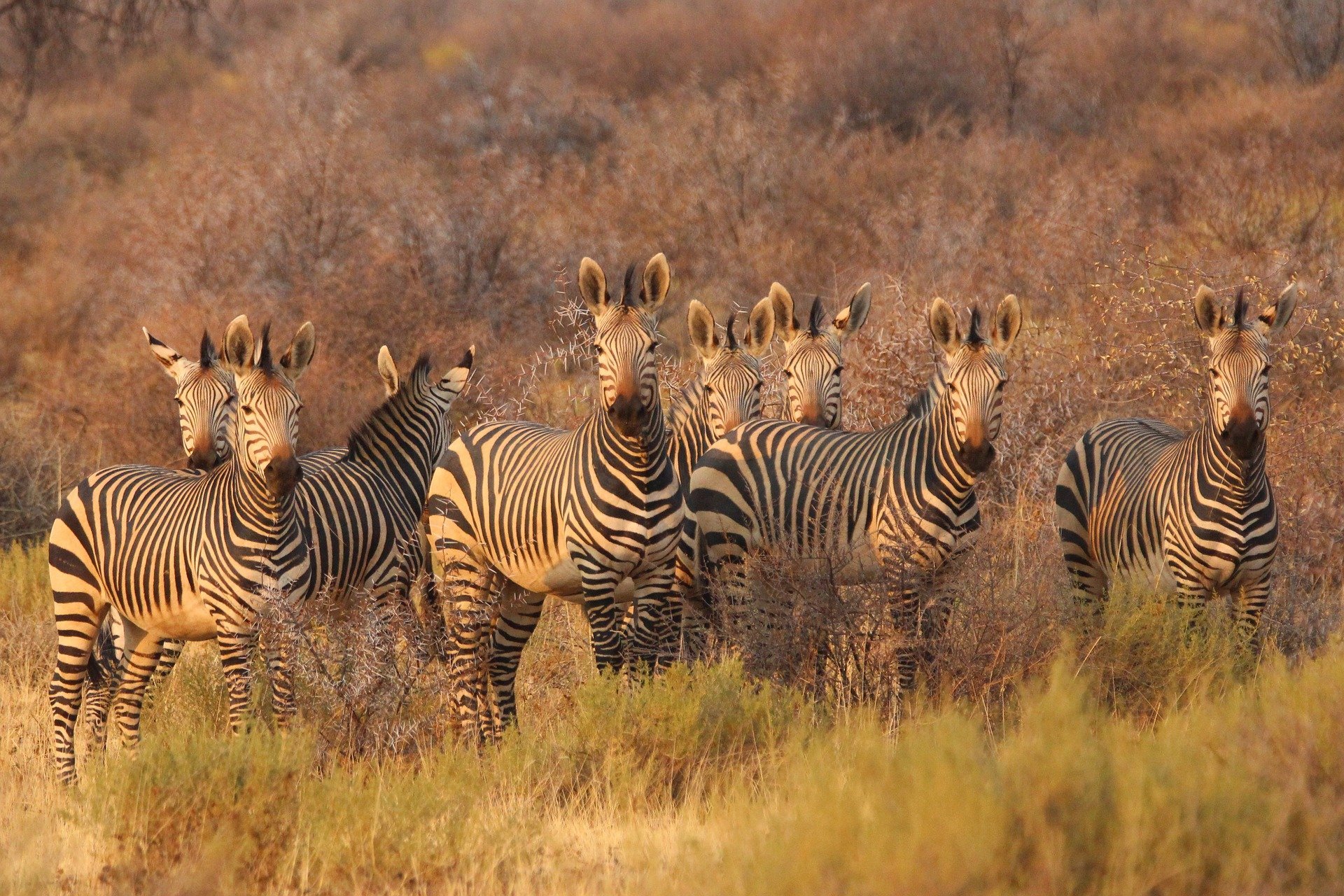
Mountain Zebra

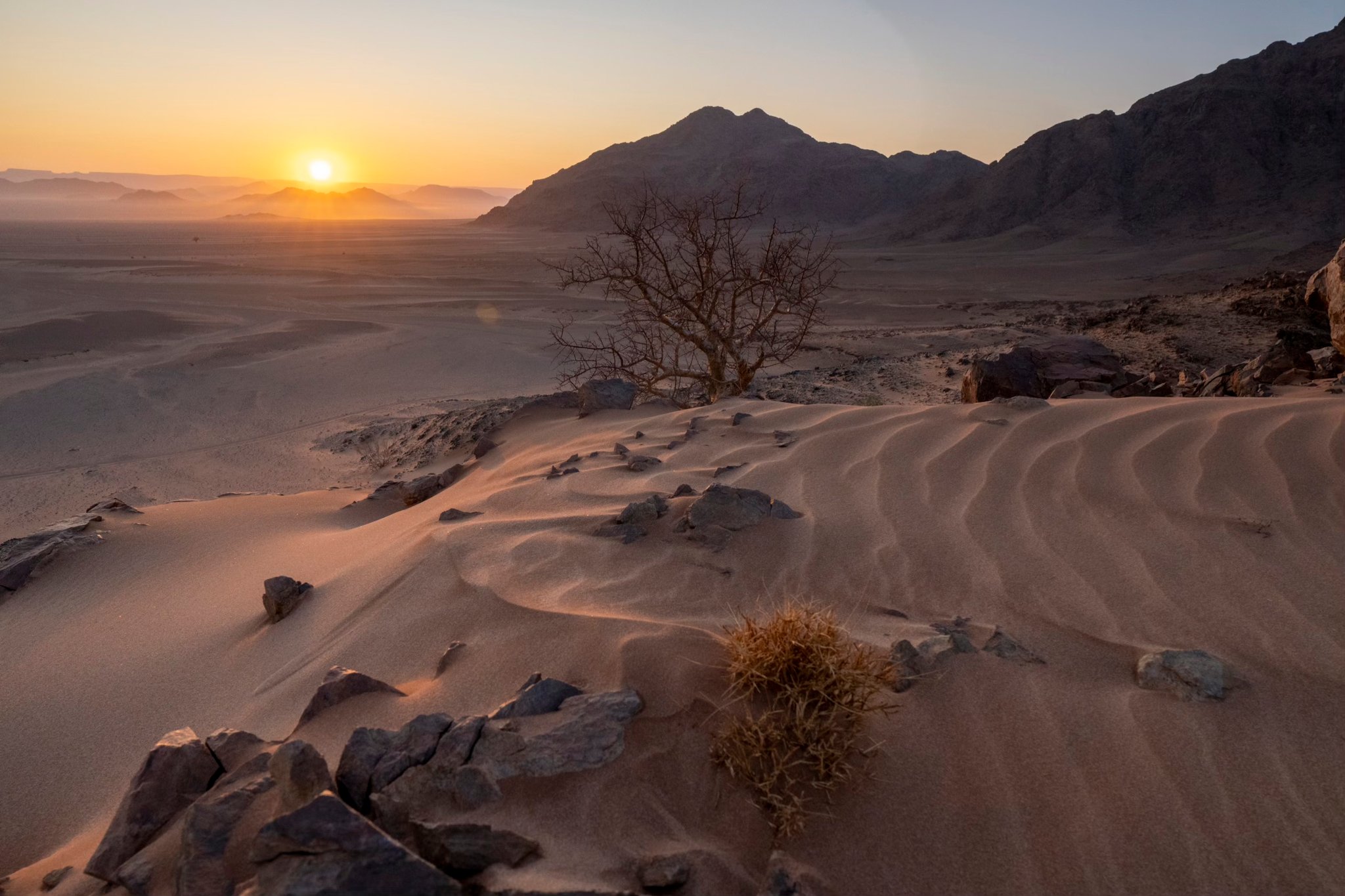
As their name suggests, mountain zebras are concentrated in upland plains, mostly in the dry, rugged terrain of South Africa, Namibia and Angola. To see the close-set stripes of a mountain zebra blending harmoniously with the jagged, rocky slopes is one of the most beautiful experiences on a Namibia safari.

Grevy’s Zebra

The largest, rarest and most threatened zebra species is the Grevy’s zebra, instantly distinguishable by its striking narrow stripes, brown muzzle and round “Mickey Mouse” ears. Africa’s remaining Grevy’s zebras live primarily in the semi-arid grasslands of northern Kenya, where they can survive without water for up to five days.

Where Zebras Roam

Where can you see zebras in Africa?

A herd of zebras is called a dazzle—an appropriate name for the extraordinary visual effect these creatures make when bounding across the plains in unison. You can bear witness to this wonderful phenomenon in East and Southern Africa, which are widely considered the best regions to see zebras in large numbers.

How about a luxury safari in Tanzania, home to the Serengeti National Park? The Serengeti hosts the world-famous Great Migration, which, although best known as the mass movement of wildebeest from Tanzania to the Maasai Mara in Kenya, also includes thousands of zebras as well as antelope. Kenya is also another fantastic place to see zebras, both in the Maasai Mara and also in the Lewa Wildlife Conservancy, home to one of the largest populations of endangered Grevy’s zebras on the continent. Farther south, Namibia’s Etosha and Namib-Naukluft national parks are the best wilderness areas to find mountain zebras.

What is the best way to see zebras on safari?

While there are countless incredible ways to see zebras on safari, perhaps the most iconic is to witness them during the Great Migration. One of the world’s most spectacular natural phenomena, tens of thousands of zebra join almost two million wildebeest on a 1,800 mile journey across the dry Serengeti plains toward the greener grazing pastures of the Maasai Mara in pursuit of fresh grass. ROAR AFRICA expertly organizes luxury tented safaris in Kenya and Tanzania, where your mobile camp literally moves along with the thundering action in ultra-luxe comfort and safety. Other travelers may prefer to appreciate the sheer magnitude of this adrenaline-pumping spectacle from a hot air balloon safari.

Equally unforgettable would be a game drive in the Ngorongoro Crater in Tanzania, a UNESCO World Heritage Site and the world’s largest, fully intact volcanic caldera. On the shores of Lake Magadi, a soda lake in the middle of the crater, the sight of hundreds of flamingos flanked by dozens of zebras and surrounded by the lush crater walls in the distance is breathtaking.

For an intimate, deeply moving experience, Lewa Wilderness in Kenya offers the opportunity to ride horseback amongst the zebra herds on the plains of Laikipia. To sit silently on your horse, watching as Grevy’s zebras graze in the vast bush before you, is soul-stirring.

When is the best time to see zebras in Africa?

Choosing when to visit Africa for zebra-viewing is a personal decision and depends on the activities, climate and other wildlife experiences you would like to experience. To see zebras moving across East Africa during the Great Migration, we recommend planning your luxury safari in Kenya or Tanzania between July and September. This coincides with the dry season from June to October, when you can enjoy unparalleled visibility of game as they congregate at waterholes. Outside the dry season, wildlife may not be as concentrated but rest assured that you can enjoy fantastic zebra sightings for all twelve months of the year.

Hope for the future: The conservation status of Zebras

Like so many of our home continent’s precious species, zebras are unfortunately threatened by human activity. This is especially true for the endangered Grevy’s zebra, of which just 3,000 remain across northern Kenya and Ethiopia. The mountain zebra, too, is classified as vulnerable.

Poaching, a lack of water and habitat loss due to agriculture, livestock farming and infrastructure development have forced zebras to venture farther in search of water sources and safer spaces—and they do not always survive the journey. But hope is not lost; organizations such as the Grevy’s Zebra Trust have begun restoring Grevy’s zebra habitats through regenerative grazing, in addition to employing local people who have long lived among these creatures as zebra scouts. Mountain zebra populations are also increasing, with wilderness spaces like the Mountain Zebra National Park in South Africa working to revitalize the Cape Mountain zebra population, specifically.

Of course, we as travelers can also contribute to a safer future for zebras. By choosing to engage in sustainable tourism with ROAR AFRICA, you help to preserve the world’s last truly wild spaces. We partner exclusively with people and properties that echo our values, blending seamless luxury with sustainable practices for an adventure that not only changes you, but also the wild, for the better.

From game drives, hot air balloon safaris and unparalleled adventures in the vast wild spaces of Africa, embark on a journey with ROAR AFRICA. Learn more by exploring our luxury African safari destinations today.

Subscribe  
TO RECEIVE THE LATEST UPDATES

By subscribing you're confirming that you agree with our Terms and Conditions.

ROAR AFRICA