ROAR AFRICA at the Venice Biennale

May 8, 2026
share

In Minor Keys, An exploration of African Art

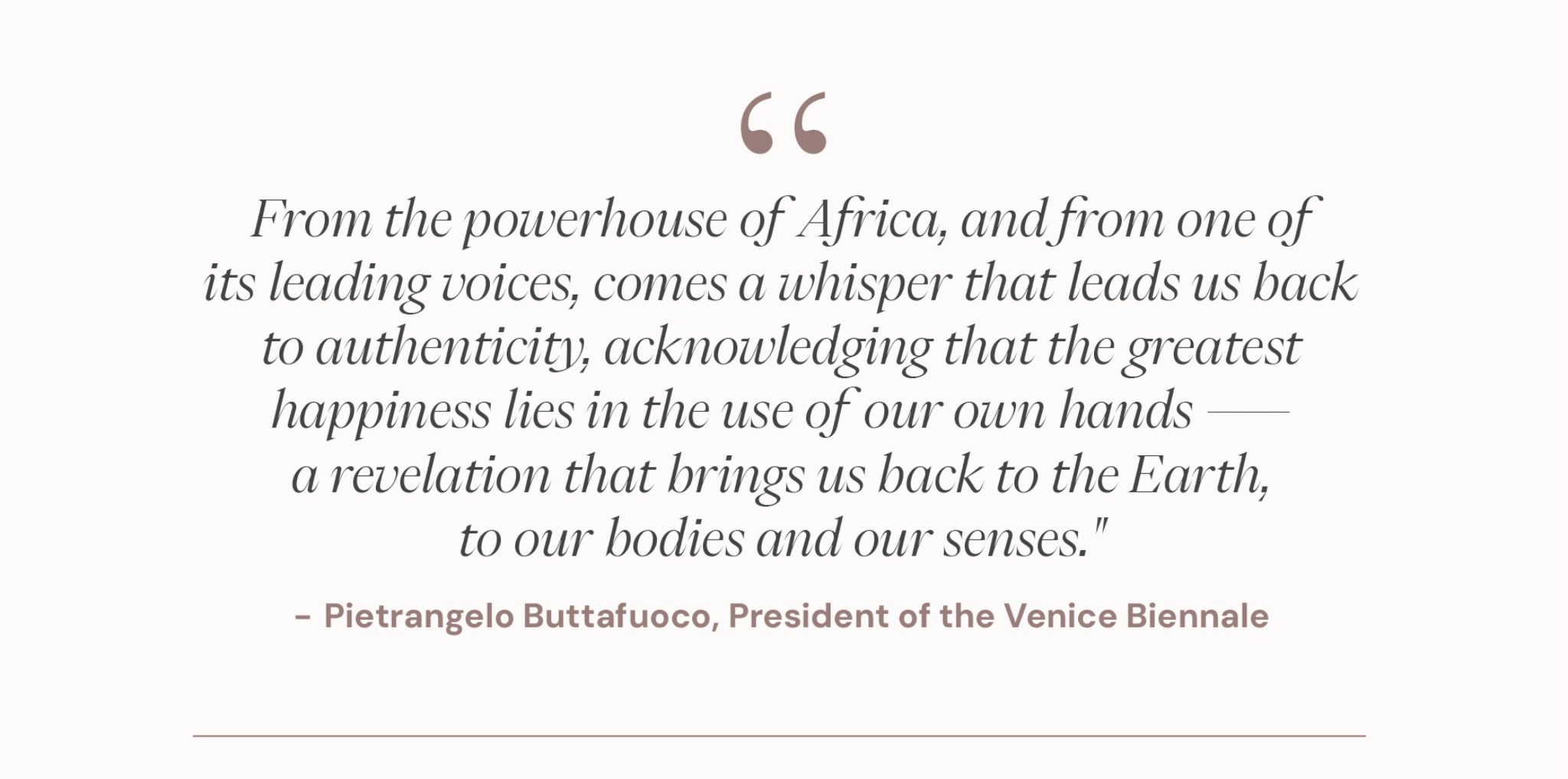
This past week, I was fortunate to join the global art world gathered in Venice for the pre-opening of the 61st Biennale. For the first time in this extraordinary festival's 130-year history, Africa takes center stage.

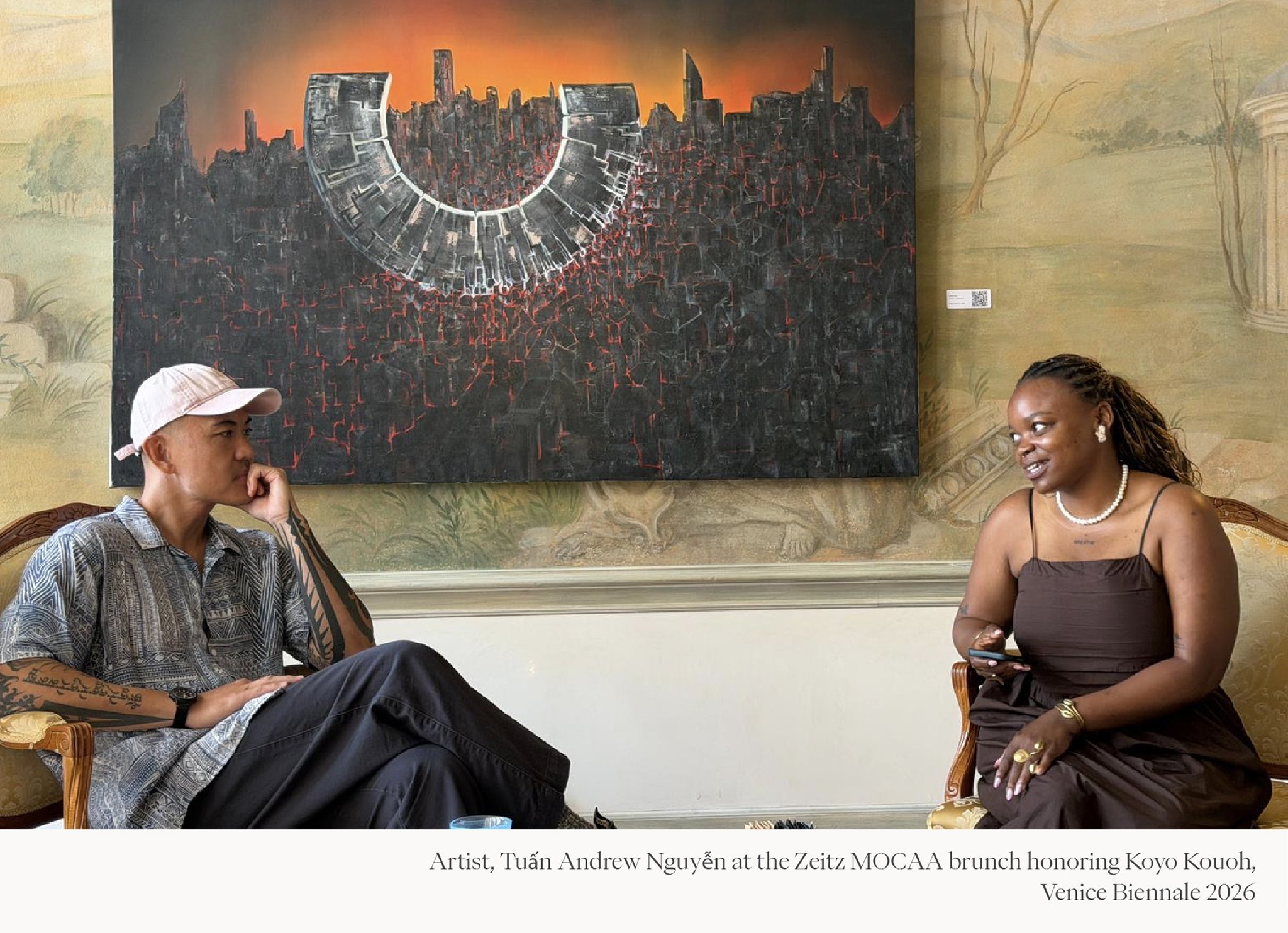
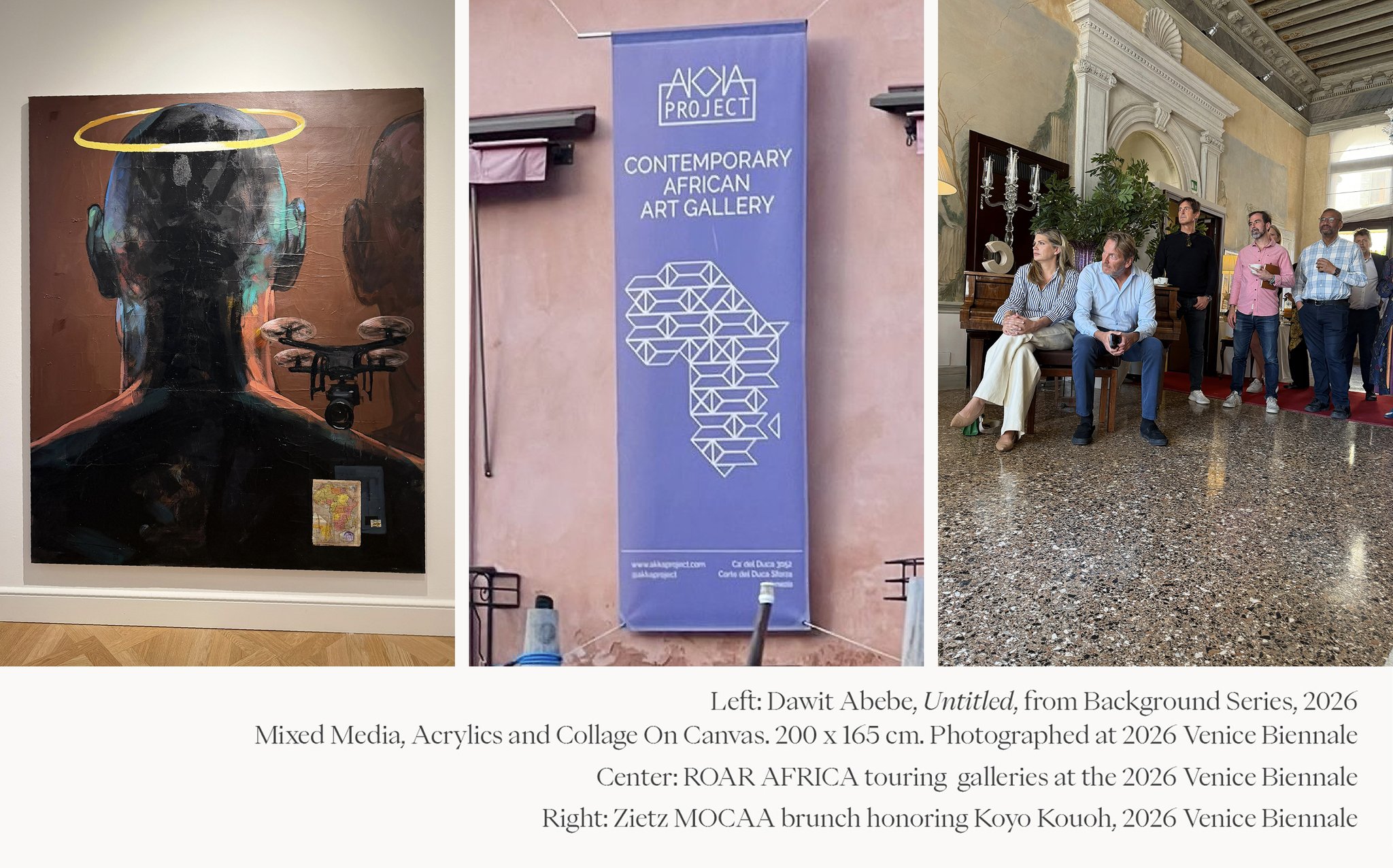

This year's exhibition (May 9 – Nov 22, 2026), In Minor Keys, was conceived by Koyo Kouoh: the late Cameroonian-born curator, visionary and friend. As Executive Director and Chief Curator of Zeitz MOCAA in Cape Town — an institution I have the privilege of supporting as a Founding Member of American Friends of Zeitz MOCAA — Koyo was among the most consequential voices in African contemporary art of her generation. She passed away last year before she could see her exhibition realized. However, with the full support of her family, La Biennale di Venezia decided to carry out her curatorial vision, following the project just as she conceived and defined it.
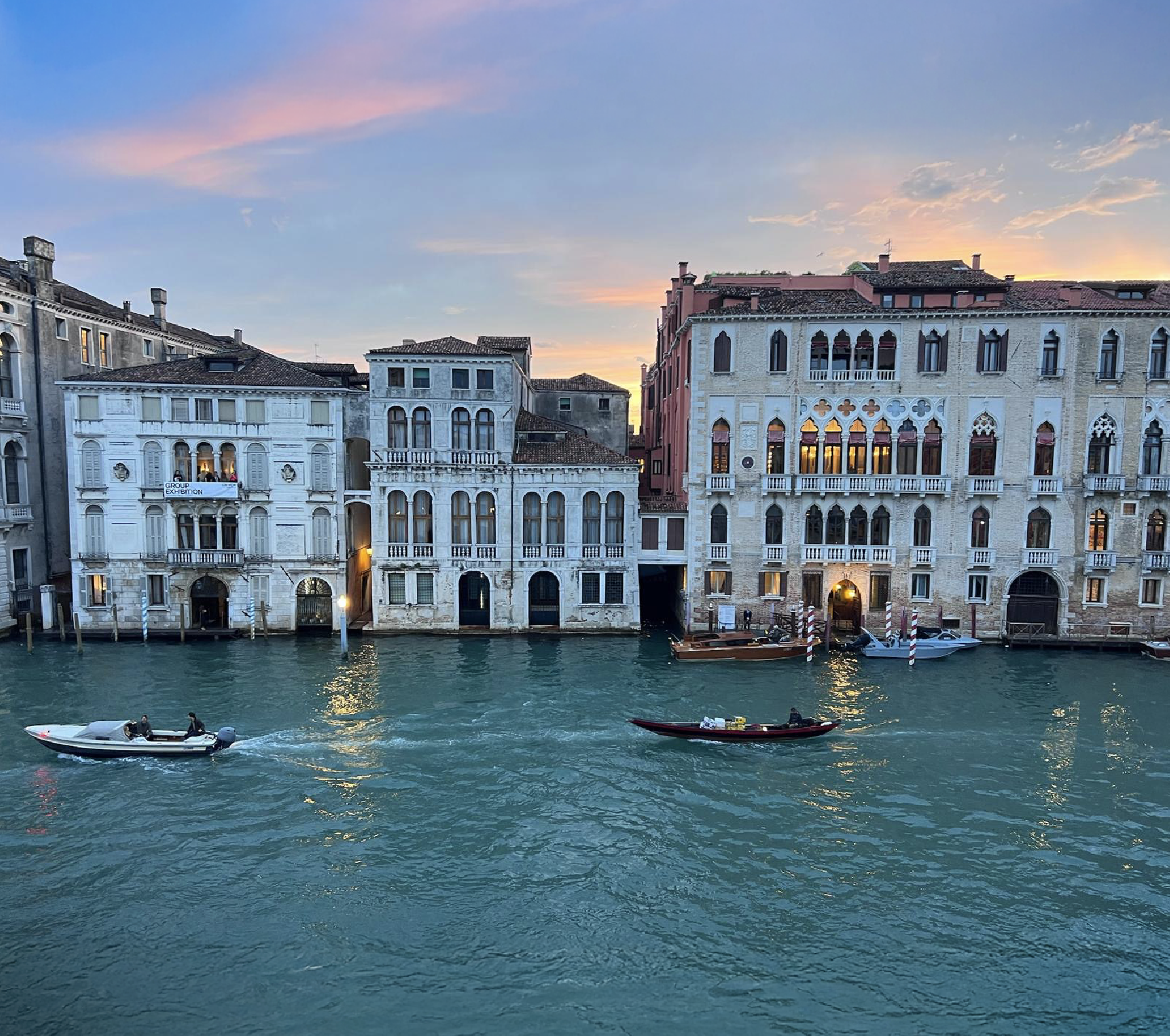
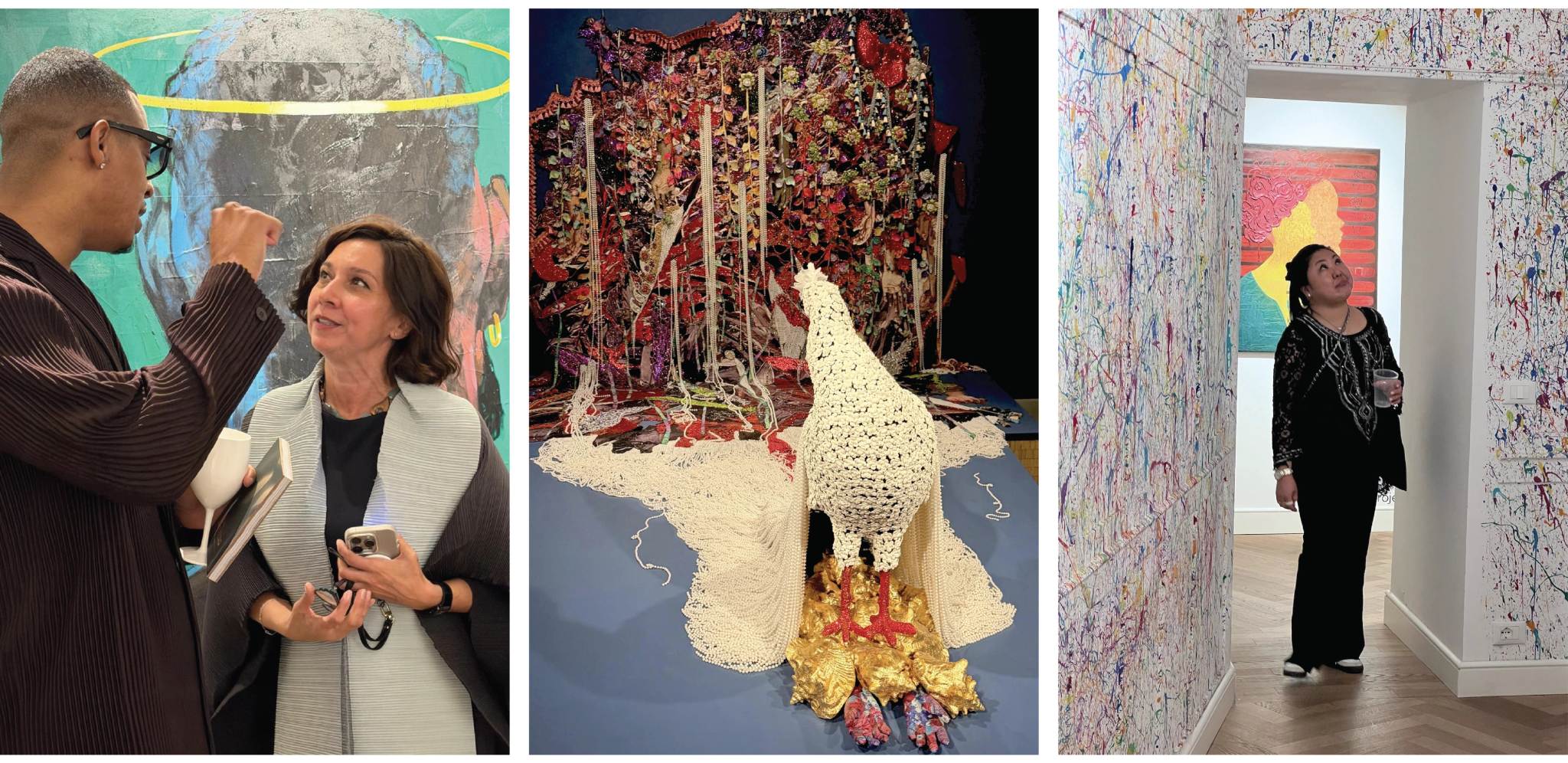
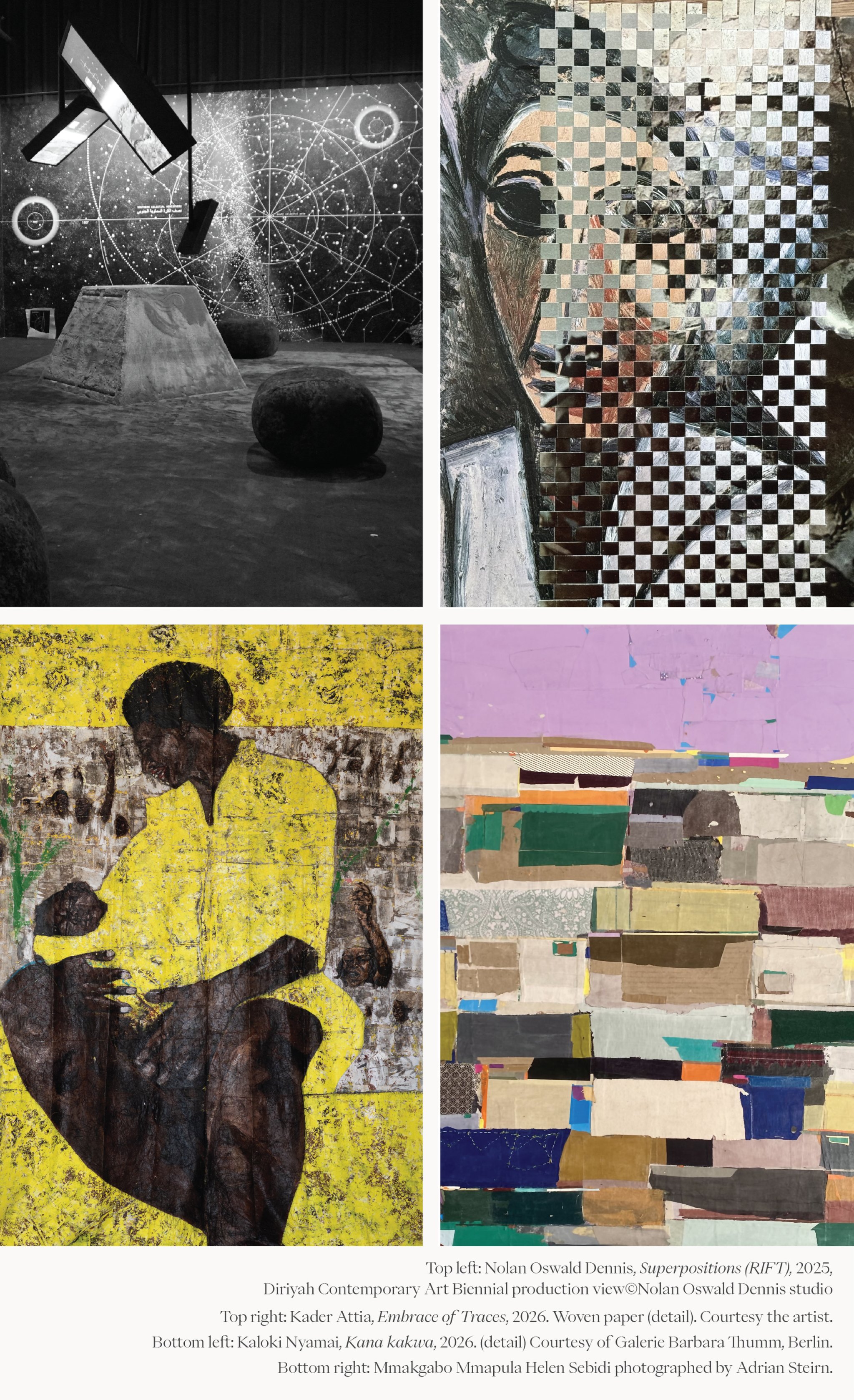
I knew I would be blown away, but, after exploring the exhibit in person, my heart is still bursting with pride! I immersed in Koyo’s vision across the Lagoon City, bearing witness to the 111 artists, 12 African pavilions, collaborative duos, collectives and artist-led organisations filling the Giardini and the Arsenale—each space exquisitely designed by Cape Town-based Wolff Architects. Each space a testament to the magnitude and originality of Koyo's belief that art is a transmission of knowledge —a true feat of African creativity on the world’s stage.

Major Notes, In Minor Keys

Our guests who love music will know that the minor key carries the blues, the lament, the improvisation…frequencies that travel lower and cut deeper than the orchestral and the obvious. Within Koyo's curatorial framework, the minor keys also refer to islands, landmasses and ecosystems held within the iron grip of larger political and geographic forces — all interpreted through art that opens portals to these themes and feelings.

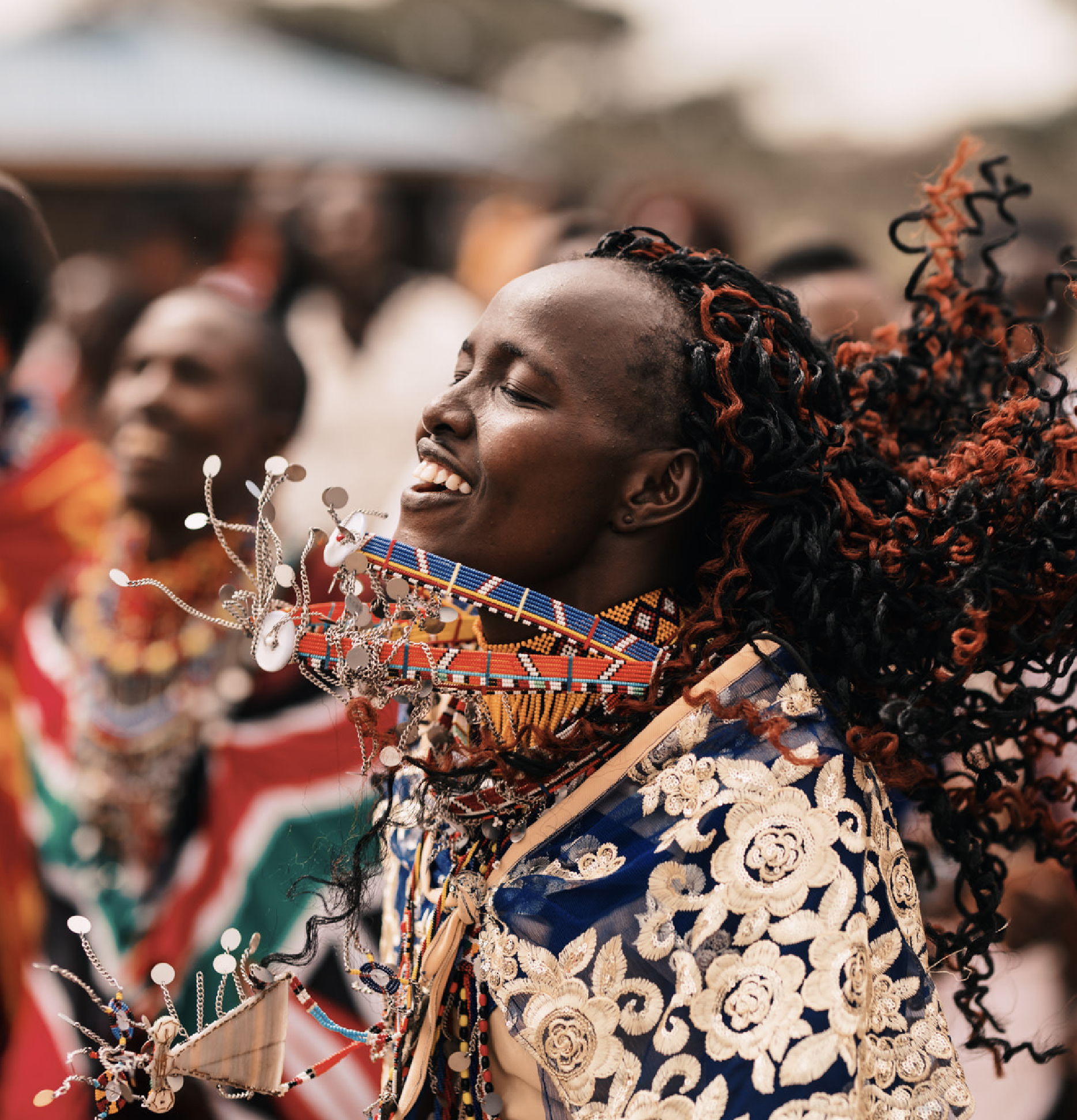
Her invitation to tune out dominant, often stereotyped narratives and tune into those quiet tones and lower frequencies resonates with me on a soul level. It is the same philosophy and deep sensory experience we bring to every ROAR AFRICA journey that we design: look closer, go deeper, listen harder and surrender to the wild rhythms that surround you. The landscapes, the cultures, the communities and the extraordinary complexity of our continent are not a backdrop to the African story. They are its source. Much of what you will encounter on these walls in Venice was born from exactly that world. In fact, Africa’s historical connection to Venice stretches all the way back to 15th century, where records exist of African gondoliers and painted depictions of enslaved people from that period still hang on the city’s gallery walls. This year’s biennale returns the lens on Africa to Africans — making headway in correcting the poor volume of representation of African artists and the colonizing of the continent’s stories all too prevalent in Western culture.

The Artists Challenging Perceptions


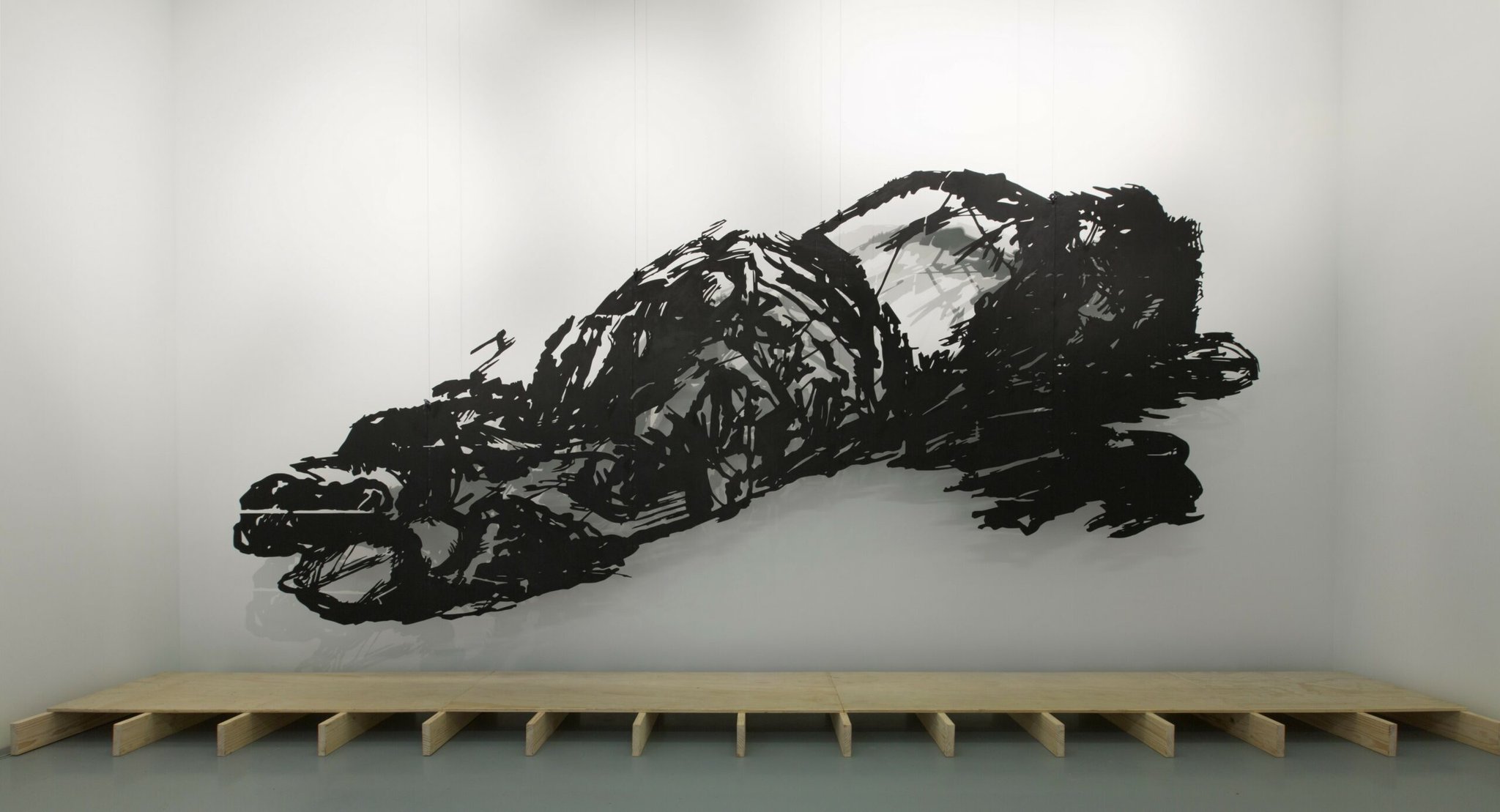
Among the artists I was so excited to see are Cape Town’s Bernie Searle, whose artistic examinations of politics and memory in post-apartheid South Africa are deeply meaningful to me. Also, Kenyan multi-media figurative artist Wangechi Mutu and Malawi-born, Johannesburg-based Billie Zangewa, whose hand-stitched silk tapestries reflect on Black womanhood, racial prejudice and identity. I also spent time at the Central Pavilion experiencing Koyo's homage to two late artists she considered guiding lights: Issa Samb, the Dakar-based artist, poet and playwright who co-founded the radical collective Laboratoire Agit'Art, and Beverly Buchanan, whose approach to land art and public sculpture Koyo championed throughout her career. There is so much to see, to feel and to learn from this year, I am still reeling from it all.


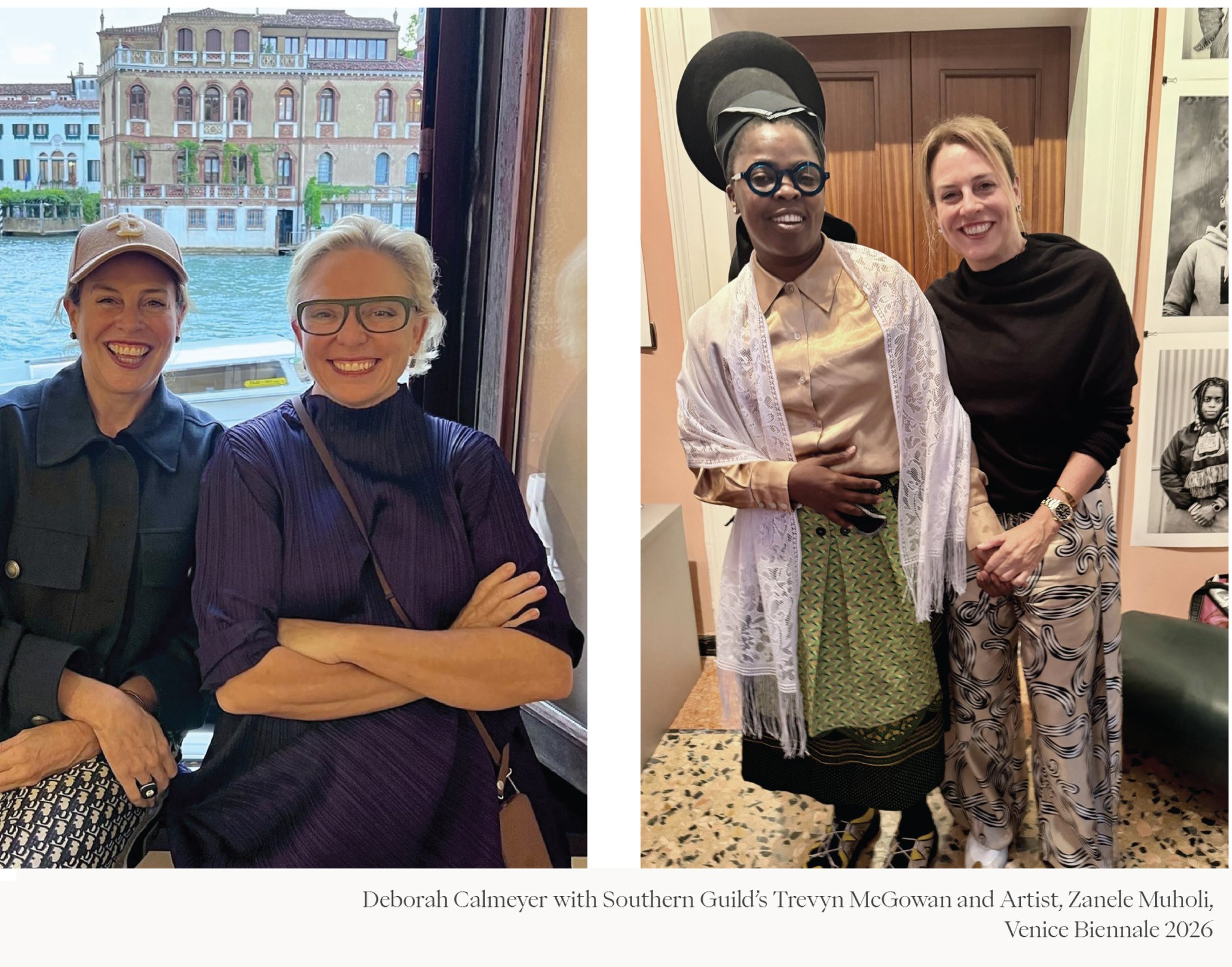
To be in Venice and have the chance to support the artists of my home continent and my own Cape Town friends — like world-renowned gallerists Trevyn and Julian McGowan — fills me with gratitude. Southern Guild, which recently opened in Tribeca, New York, has long been a cornerstone of the ROAR AFRICA Mother City experience. Within their space, you feel the full weight and brilliance of Africa's creative output. Trevyn has always said that Southern Guild is not just a gallery but a cultural anchor: a platform where artists sustain their practices on their own terms and come together to articulate a movement. That ethos is exactly what I felt the first time I walked through her Cape Town doors many years ago and that same inspired feeling washes over me in Venice today, where Zanele Muholi, represented by Southern Guild, showcases her independent photography exhibition Faces and Phases throughout the city.

Every ROAR Africa Journey Is Its Own Minor Key


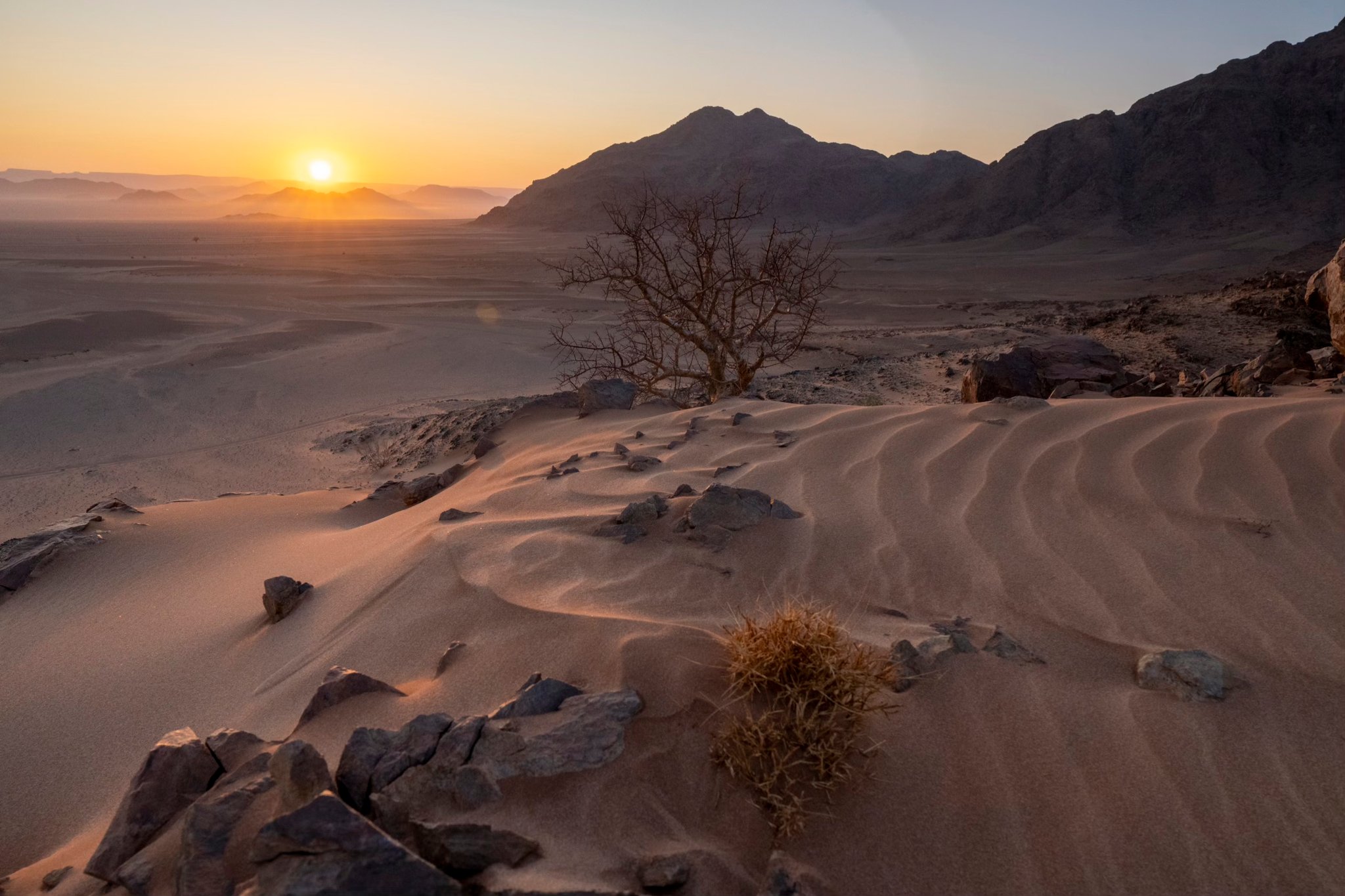
The Venice Biennale offers a rare window into the layered beauty and complexity of Africa: the light breaking over the Kalahari at dusk, the creative pulse of her cities, the ancestral intelligence of her cultures, the silence of her wild spaces, and the courage, innovation and grace of the people who shape her future every day. This is the tension that In Minor Keys holds so powerfully: memory and imagination, wound and wonder, inheritance and reinvention. It is Africa not as a single story, but as a polyphony: intimate, unresolved and alive…exactly as Koyo intended.

Whether In Minor Keys finds you in Venice, or whether Africa calls you back to the ground itself, I hope it serves as an invitation to listen more closely. At ROAR AFRICA, every journey we curate is its own minor key - attuned to depth, beauty, adventure and the rare privilege of encountering this extraordinary continent with care.

Subscribe  
TO RECEIVE THE LATEST UPDATES

By subscribing you're confirming that you agree with our Terms and Conditions.

ROAR AFRICA