How do safaris support conservation of African wildlife?

August 21, 2024
share

African safari travelplays a vital role in supporting Africa’s wildlife conservation and local communities.Revenue earned from safaris directly supports ranger teams, science-led conservation efforts and locally governed conservancies that protect some of the continent’s most important ecosystems.

At the same time, these experiences deepen a sense of stewardship amongst travelers for Africa's landscapes and wildlife, fostering a deeper understanding of what is at stake and a lasting commitment to their conservation.

A journey embedded in connection and care

African safaris support conservation by channeling revenue into protected areas, science and sustainable community development. It is a working relationship between guests, landscapes and the people who keep those landscapes intact. Revenue generated through well-managed safaris helps fund the practical foundations of conservation: ranger presence, wildlife monitoring, habitat management and vital research.

Sustainable and responsible African safari travel embedded in conservation not only reconnects us with nature, but safeguards and strengthens ecosystems on which we all depend.

How safaris protect the continent's most vital landscapes

Protected areas endure through sustained, well-directed funding, and safari tourism is often one of the most dependable ways to generate it.

African Parks describes a model where revenue created through tourism and other conservation-compatible enterprises flows back into the management of protected areas. This supports biodiversity while building a conservation-led economy that can reduce donor dependence over time.

A sustainable safari economy supports the essentials for biodiversity conservation: ranger salaries and deployment, equipment and vehicles, ecological monitoring, habitat management and the infrastructure that supports healthy ecosystems. It also supports long-term planning, specifically the kind that protects individual species, as well as entire systems such as floodplains, grasslands, woodlands and the corridors that connect them.

Measured progress toward conservation self‑sufficiency

In some African conservation areas and national parks, the trajectory toward self-sufficiency is measurable. Akagera National Park in Rwanda is an example of a protected area moving toward financial sustainability through enterprise projects and thriving tourism. In 2024, it earned over US$4.7 million in total park revenue, 97% of which came through tourism activities and which flows directly back to the park and sustainable community development.

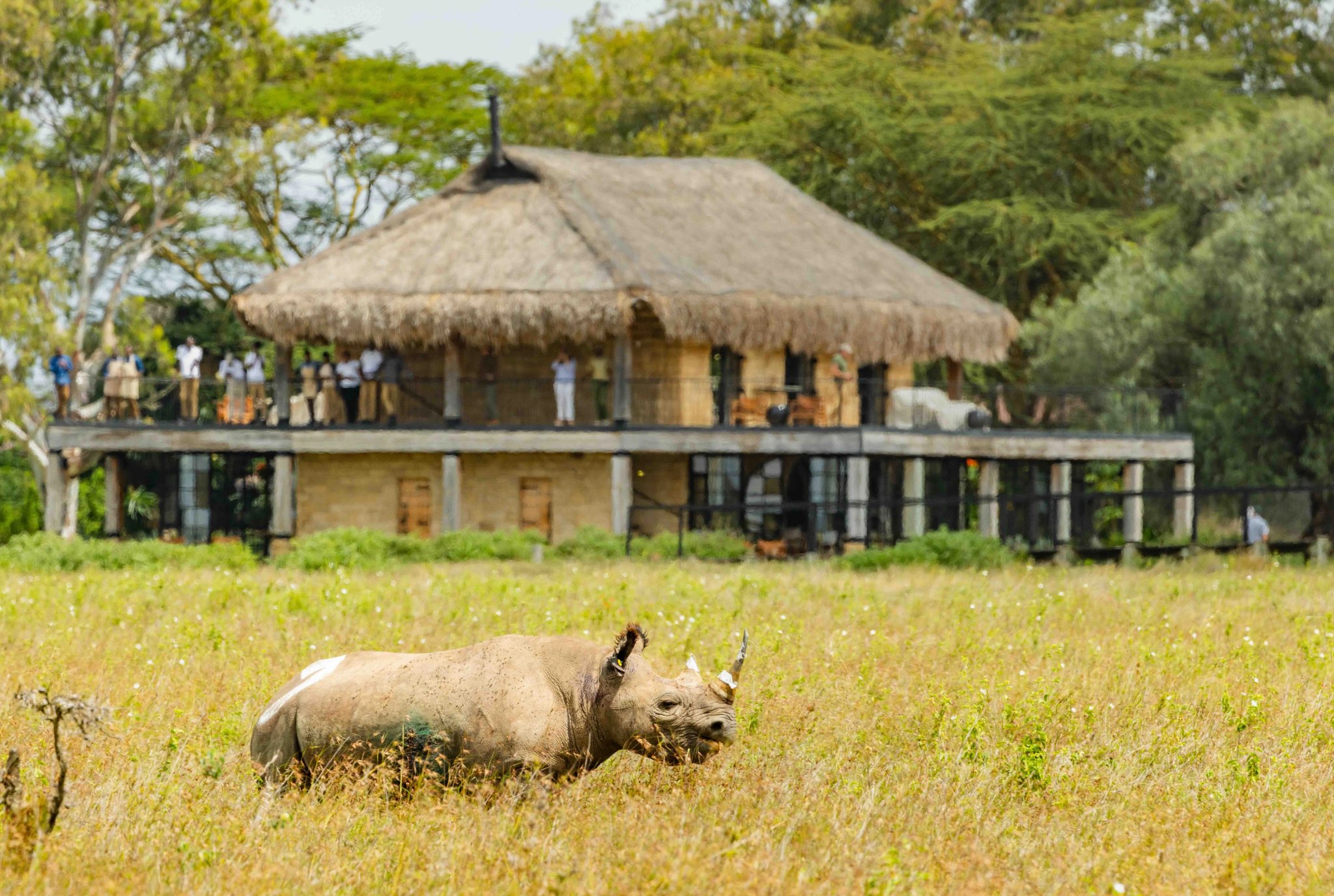
Other popular safari destinations such as the Okavango Delta in Botswana, Laikipia, and the Mara in Kenya remain protected when an economic system, supported through sustainable tourism, is strong enough to keep them intact while supporting sustainable community development.

How your presence supports African wildlife conservation

In Africa, conservation is sustained through visitor presence. When travel is carefully managed, it generates revenue to conserve landscapes and ecosystems that ensure the people who live alongside them benefit from their continued protection.

Across the continent, tourism works alongside other conservation economies, including the sustainable use of natural resources, payments for ecosystem services, and conservation-compatible enterprises, to fund park management, protect wildlife, and support surrounding communities.

At ROAR AFRICA, the journeys we design operate within these carefully balanced systems. By directing travel to well-managed reserves and conservancies, guests contribute to the financial structures that allow wildlife and landscapes to endure.

ROAR AFRICA's approach: responsible travel that protects wild spaces

ROAR AFRICA designs conservation-forward safari experiences so guests arrive as explorers and leave as restorers.

We work with a considered portfolio of conservation-led partners and properties, prioritizing places where tourism revenue supports land protection, wildlife monitoring and community livelihoods. The principle is simple: high-yield, low-impact travel. This equates to fewer guests, exceptional guiding and a lighter footprint on fragile landscapes.

Conservation through community

Long-term conservation depends on communities having a tangible stake in the landscapes around them. Where livelihoods are linked to healthy ecosystems, wildlife is protected not by enforcement alone, but by shared interest.

That is why ROAR AFRICA supports local partners whose work strengthens the social foundations of education, resilience and community-led development. We engage with communities who welcome guests into the protected areas they call home, recognizing that protecting wildlife and supporting people are inseparable.

South African College for Tourism

A meaningful example is our partnership with the South African College for Tourism, a women’s empowerment initiative to train young women from underprivileged backgrounds in tourism. More than 1 200 graduates have been trained since its inception, all of whom have received critical on-the-job skills training that will enable them to work in hotels, lodges or guesthouses. ROAR AFRICA has established an annual scholarship for a Zimbabwean female tourism student to study at SACT, creating a direct pathway into conservation and hospitality careers.

Imibala Trust

We also support the Imibala Trust, a program dedicated to providing primary education to children in the Helderberg region of South Africa.

Through Imibala's 'Sponsor a Child' initiative, children receive school uniforms and access to enriching after‑school programs in art, pottery, ballet, math, computer literacy and life skills, all delivered by volunteers from their own community.

This commitment guides every partnership. We work with those who share our values, directing revenue into community priorities, honoring local knowledge and reinforcing long-term stewardship of land and wildlife.

Conservation-led safari lodges: where luxury aligns with wildlife protection

At ROAR AFRICA, we work with safari lodges that support conservation. While many offer some of the most exclusiveaccommodations, it's vital that each experience also contributes positively to wildlife conservation and the long-term resilience of vital ecosystems.

Angama Mara

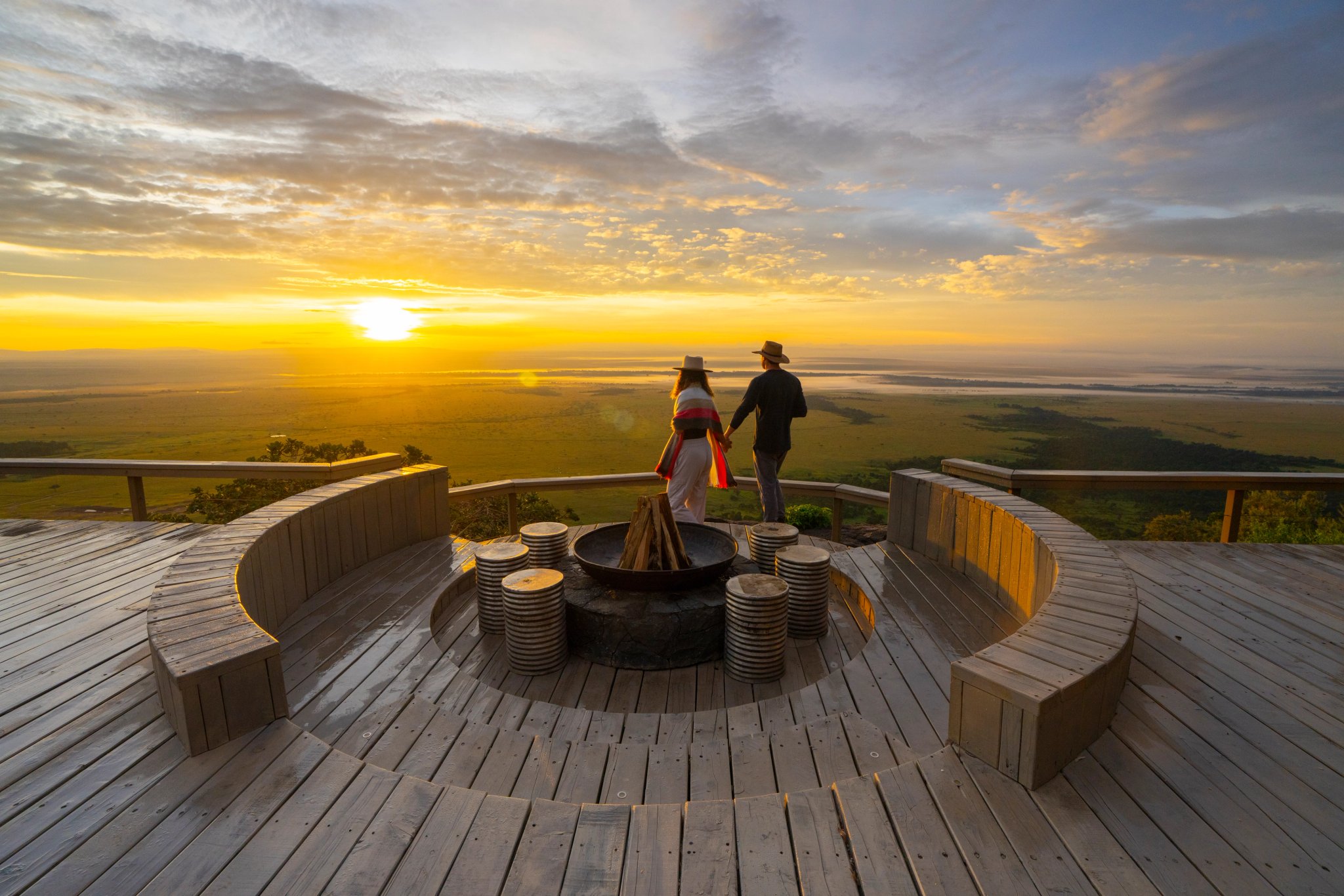
In Kenya's Maasai Mara, Angama Mara sits above the Great Rift Valley, offering a sense of perspective that mirrors what matters in conservation: the integrity of the surrounding landscape and the community relationships that help keep it intact.

Segera Retreat

On the Laikipia Plateau, Segera Retreat offers another expression of this ethos. Here, rewilding, regenerative land care and community partnerships shape a sanctuary where art, ecology and culture meet.

Singita Sasakwa Lodge

In Tanzania’s Grumeti region, Singita Sasakwa Lodge offers a compelling example of safari at its most purposeful. This includes a broader commitment to keeping important habitats and corridors protected over time while offering private space and exceptional guiding.

Set high above the plains, Sasakwa's sense of calm and stewardship reflects the values that guide our Women's Empowerment Retreat.

Discover a conservation journey that transforms

Moments in the wild, like watching an elephant family move through river shallows or listening to the first low call of a lion at dusk, remind us how intricate these ecosystems are and how vital it is to keep them functioning.

Our access and deep experience across the continent help guests understand how wildlife, landscapes and communities are interconnected, and how sustainable travel can help protect the landscapes that support them.

Africa has a way of returning you to yourself, while gently asking what you will return to it.

Let your journey protect what is precious

Discover Africa's wild destinations through journeys that honor the land, uplift communities and help protect the species that define these critically important ecosystems.

Inquire today and speak to us about designing a journey that supports African wildlife conservation.

Subscribe  
TO RECEIVE THE LATEST UPDATES

By subscribing you're confirming that you agree with our Terms and Conditions.

ROAR AFRICA