Explore
Botswana

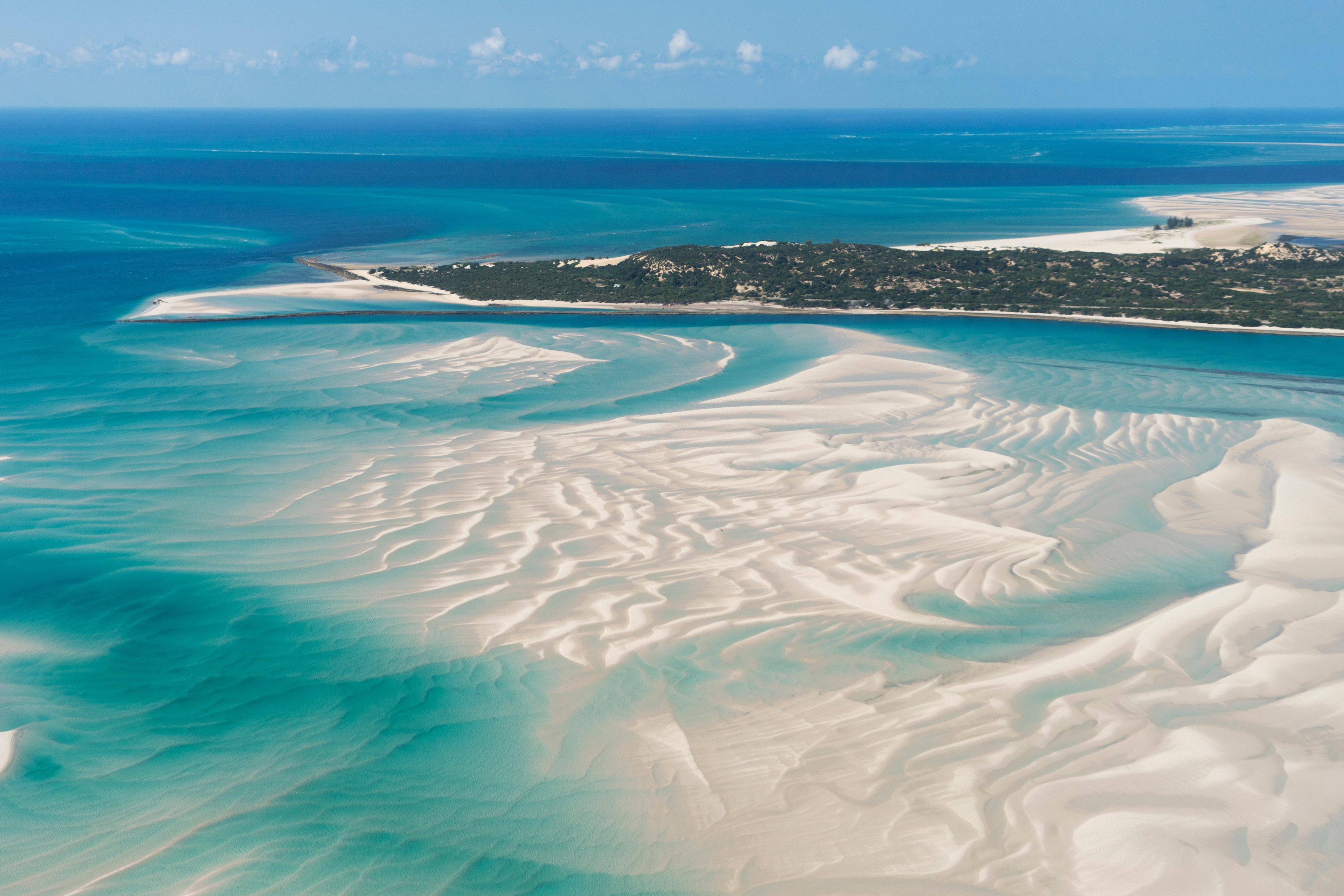

The crystalline waters of the Indian Ocean and Mozambique’s pristine beaches are the epitome of tranquillity. Here a safari extends beyond land-based wildlife encounters into a rich ecosystem of thriving marine life.
Declared a protected area in 1971, the Bazaruto Archipelago National Park consists of five islands, three of which are home to coastal communities whose livelihoods are deeply connected to the sea.
The marine environments surrounding the islands are rich with life and reward both experienced divers and curious explorers. From snorkeling through vibrant coral gardens to diving among manta rays and whale sharks, Mozambique offers exceptional ocean encounters.

“The exquisitely tailored experiences to meet every need and the off the tourist track special access that ROAR AFRICA has is impossible to find elsewhere. It’s something I will never forget. On all my trips with ROAR AFRICA, I was introduced to the most amazing people who became great friends. To say the trips were amazing would be an understatement.”
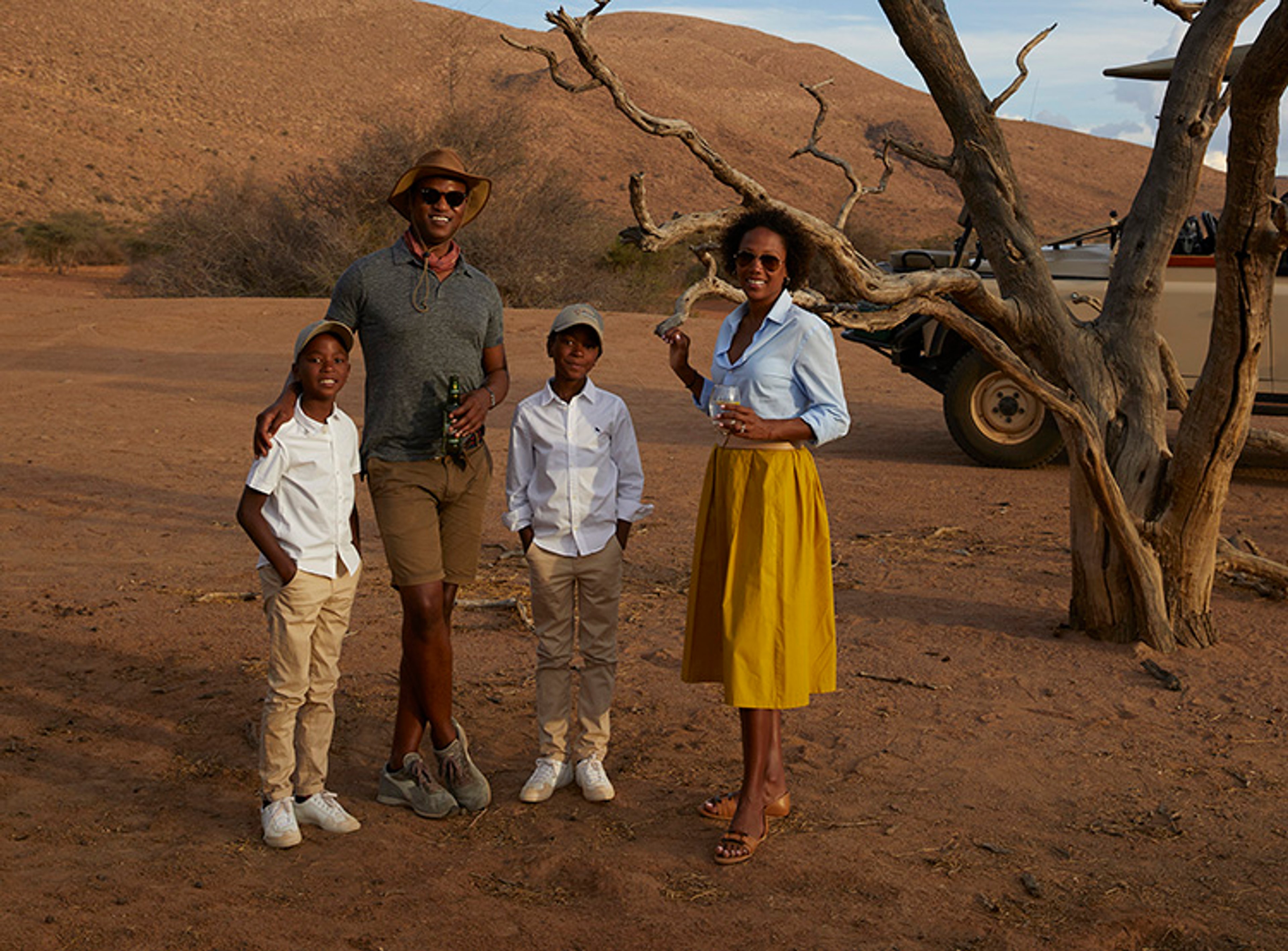
“We would not change one thing about our trip. We have been changed by our experience of visiting this beautiful country and we will be sending everyone we know to you to have the experience of a lifetime.”
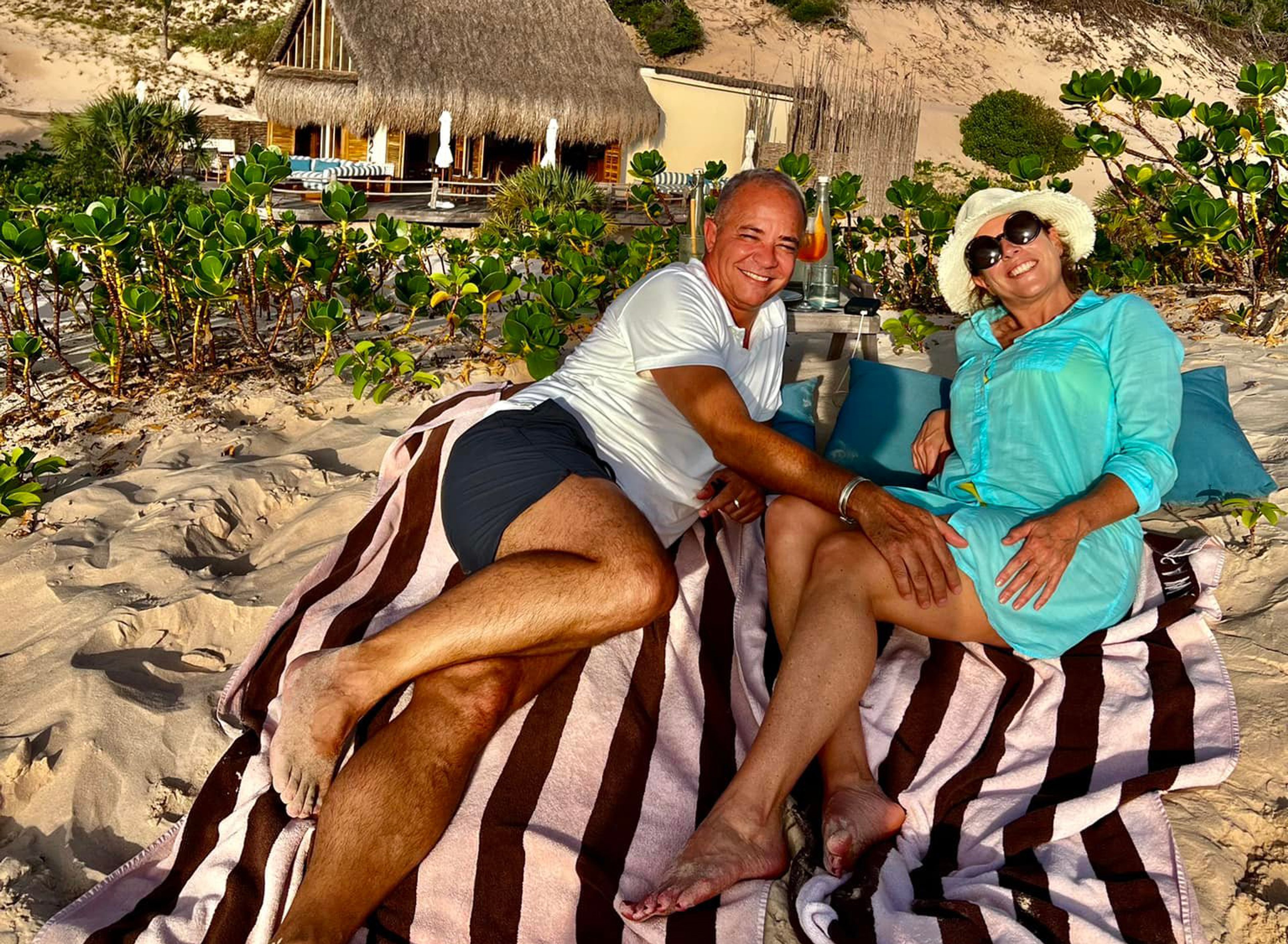
“The intricacy of detail in every moment ignores the expanse around you. The entire journey is a tale woven of pride, a purity and an honesty that simply takes your breath away.”
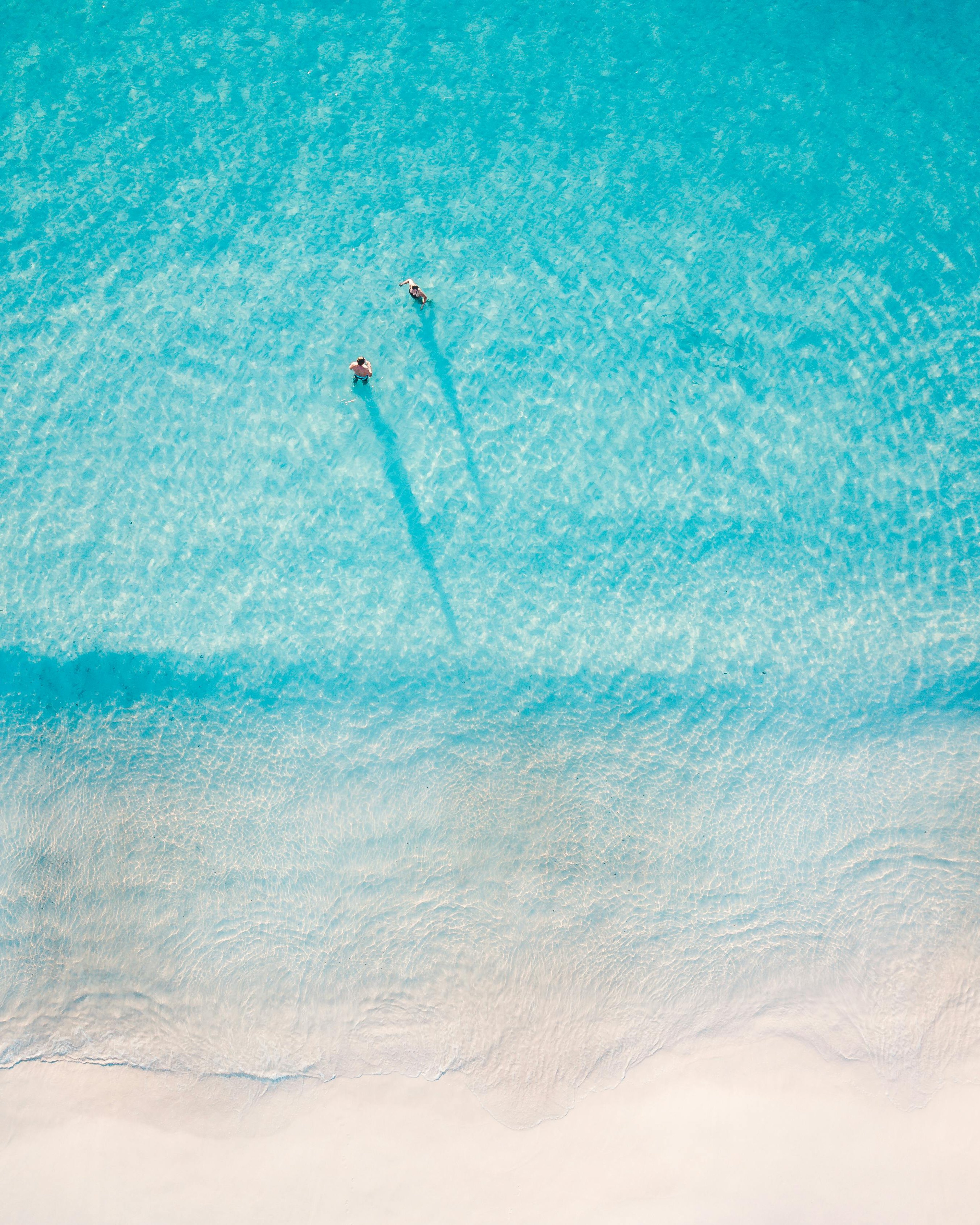

A highlight of luxury travel to Mozambique is the Bazaruto Archipelago, one of the country’s most distinctive coastal regions. These islands remain largely untouched by large-scale development and offer a rare sense of seclusion and natural beauty. Clear waters stretch to the horizon, shifting in colour as sandbanks and reefs shape the tides. Palm-fringed beaches and small, carefully designed lodges create a setting that feels far removed from the pace of modern life. For many travelers, a Mozambique safari begins or ends here. The islands provide a place to slow down after inland wildlife encounters or to ease into the rhythm of the Indian Ocean before venturing deeper into Africa.
Bazaruto Archipelago National Park is one of Africa's largest protected marine reserves. Its waters support whales, dolphins, sharks, sailfish, manta rays, marlin and nesting marine turtles. It is also one of the last remaining strongholds of the dugong, a rare and remarkable marine mammal.
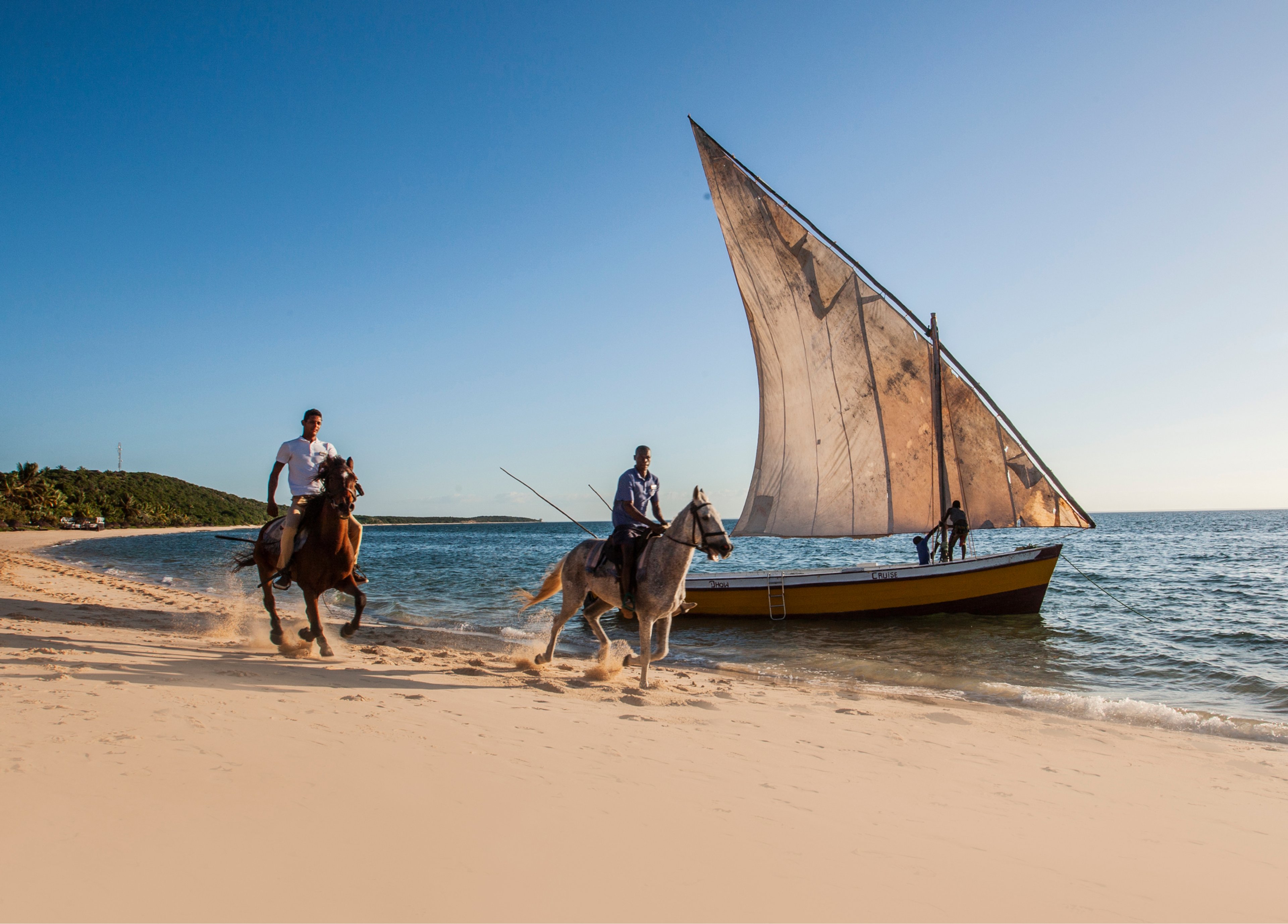
Traditionally fishing communities, the islands became part of the Swahili Coast trading network during the 10th century. Dhows once travelled these routes carrying gold, ivory and spices from inland Africa to destinations across Arabia and India. Today, those cultural influences remain present in coastal cuisine, local traditions and the quiet ritual of sailing out on a dhow at sunset across the Indian Ocean.
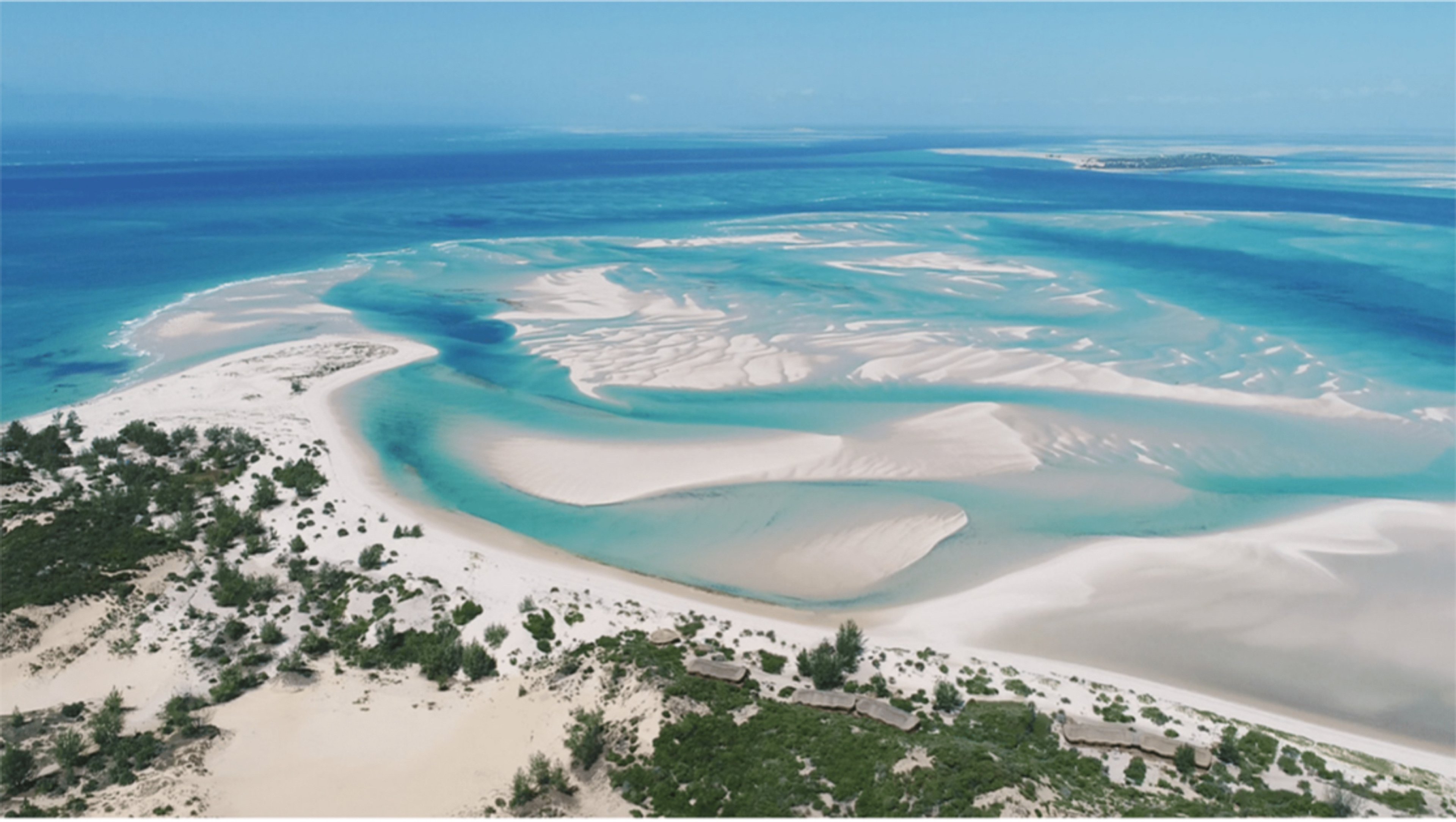
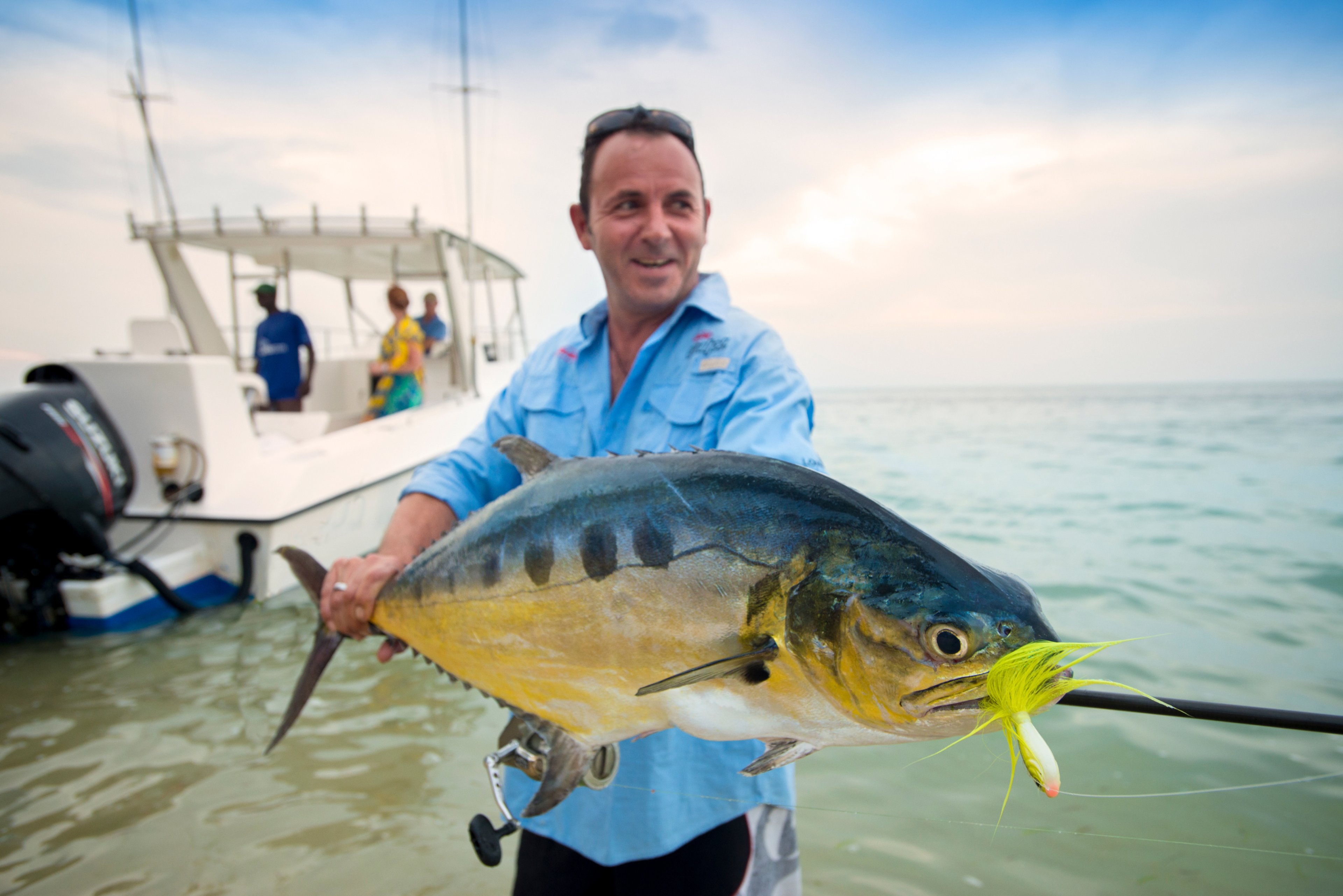
The Bazaruto Archipelago and Mozambique’s island-dotted coastline create an exceptional setting for marine exploration. Activities such as snorkeling, diving and fishing introduce travelers to a vibrant marine-based world that complements the wildlife encounters of a Mozambique safari. Together with inland reserves and national parks, Mozambique travel offers the rare opportunity to experience both Africa’s terrestrial wildlife and its marine biodiversity within a single journey.


Each private luxury safari is curated with ultimate care for complete comfort, allowing you the freedom to immerse yourself fully in your journey.

Our philosophy is simple: we only promote luxury safari destinations that we know and love, where our guests can be assured of a seamless experience in the wildest of terrains.
By subscribing you're confirming that you agree with our Terms and Conditions.